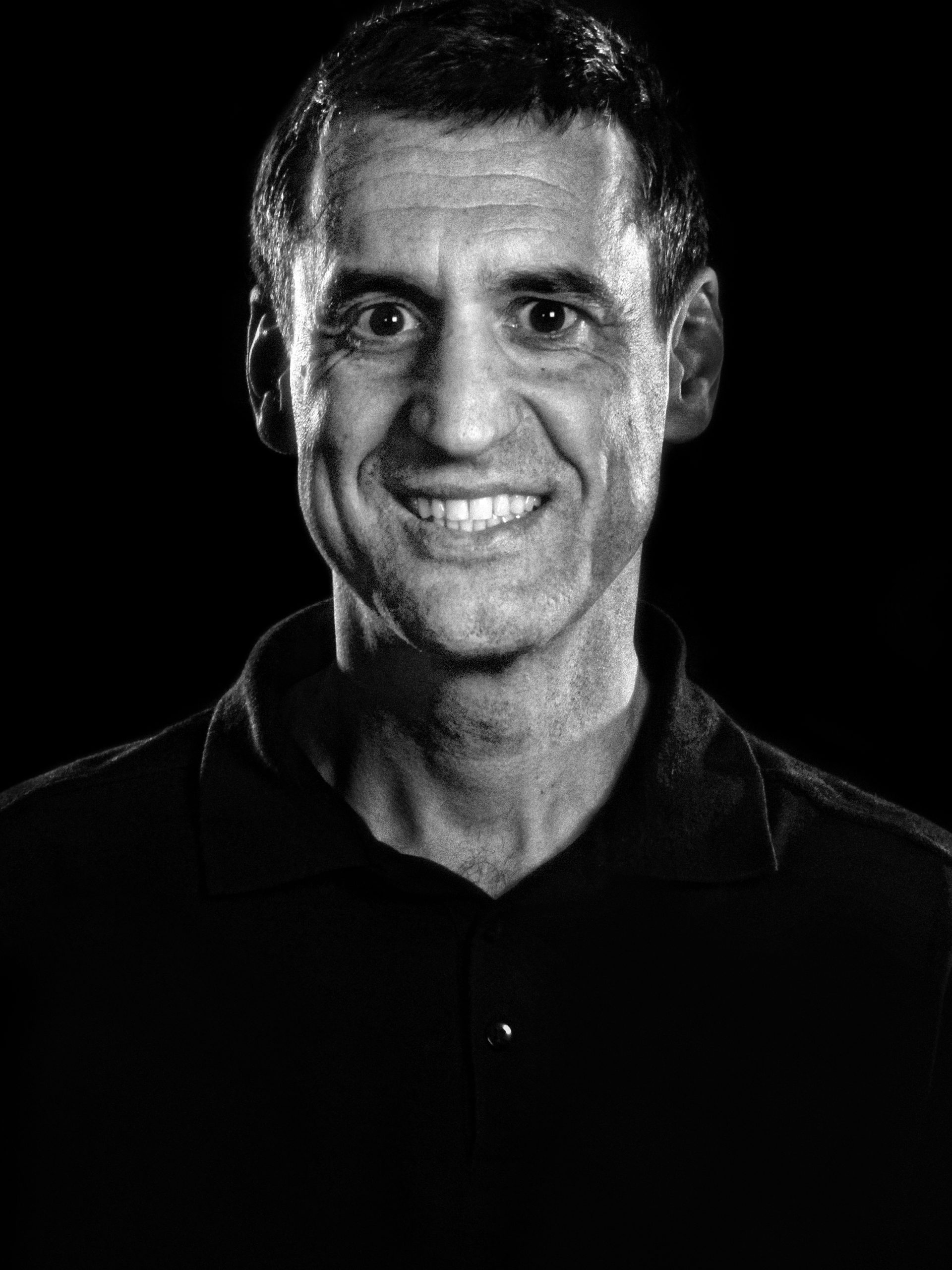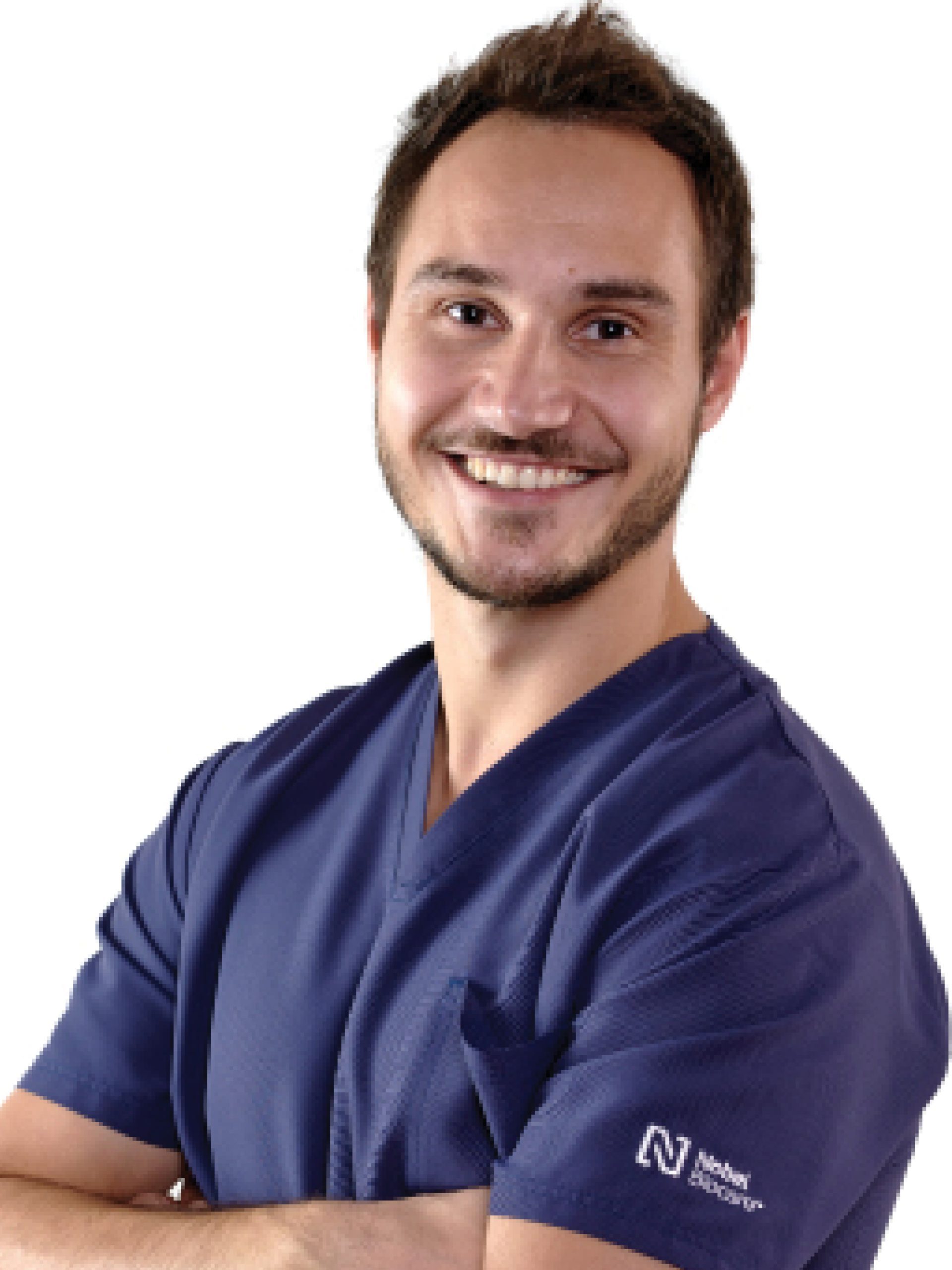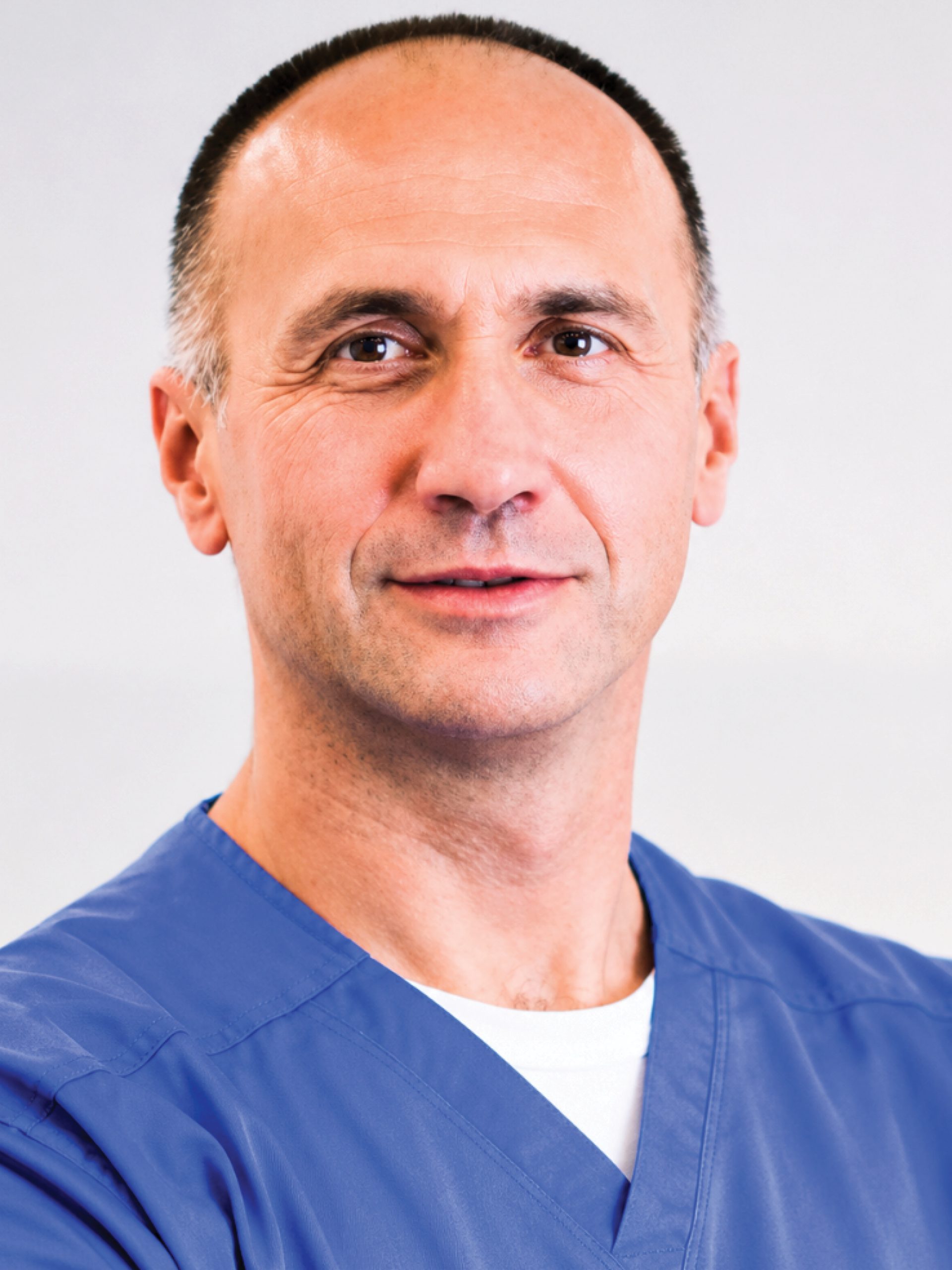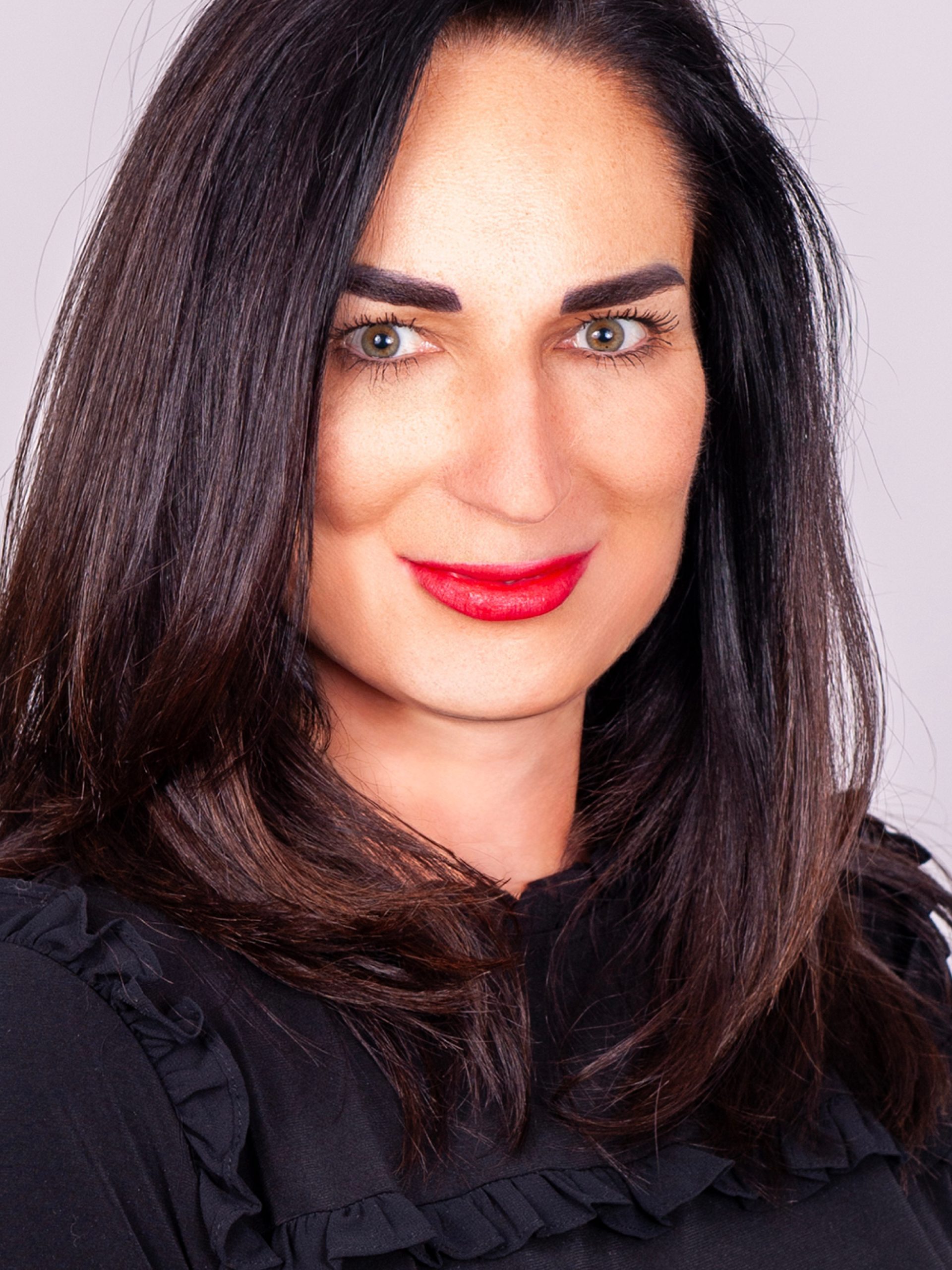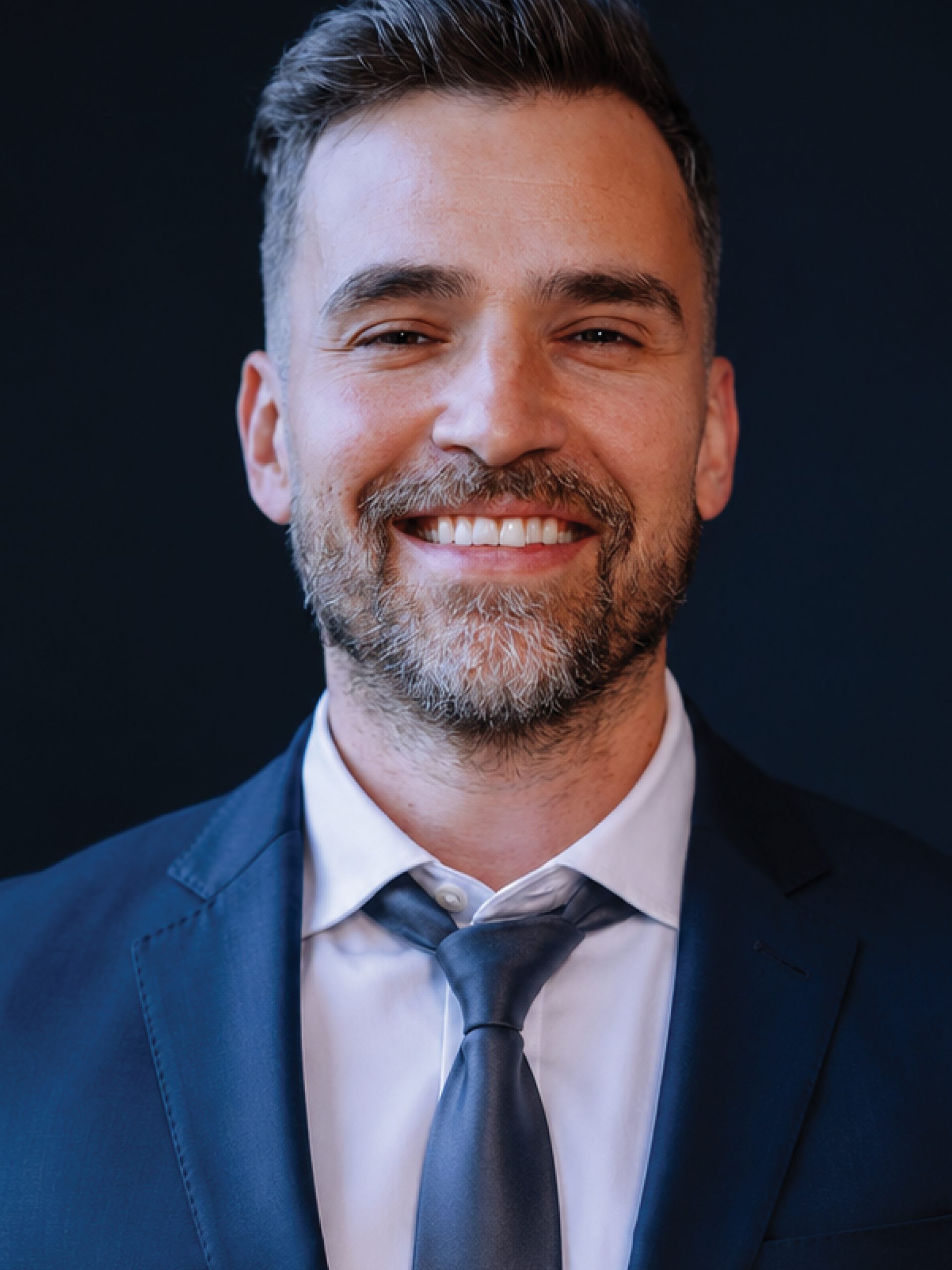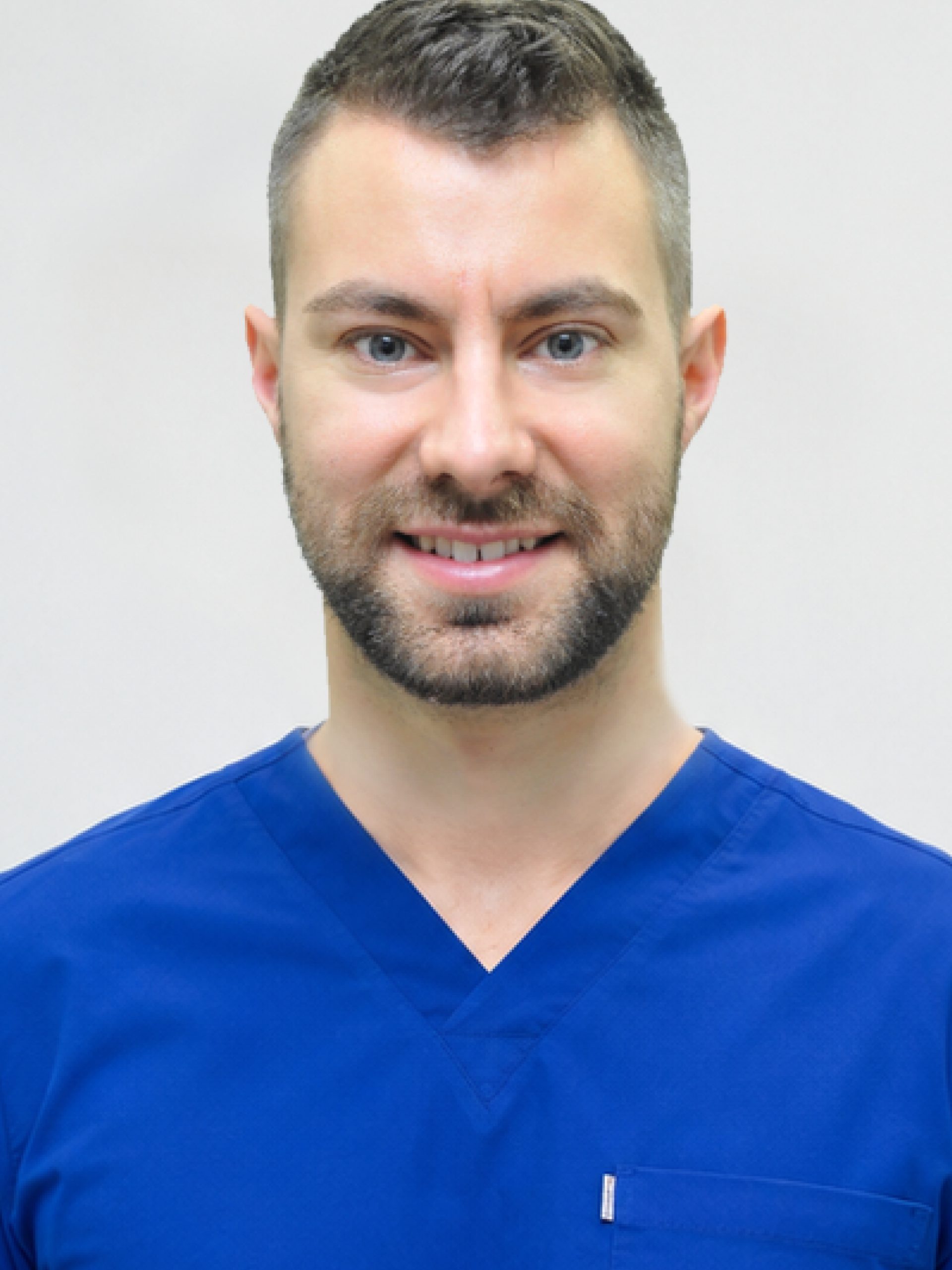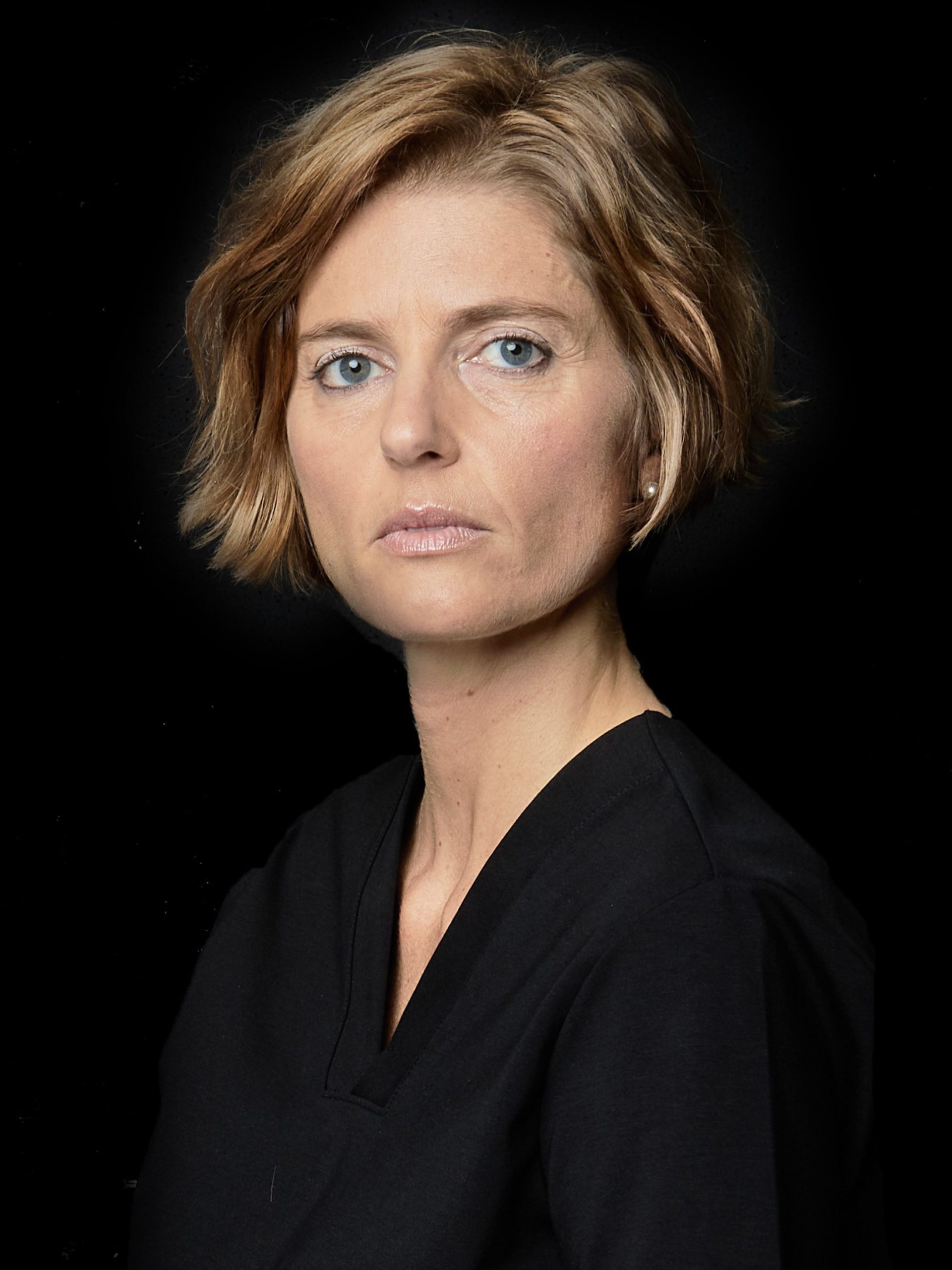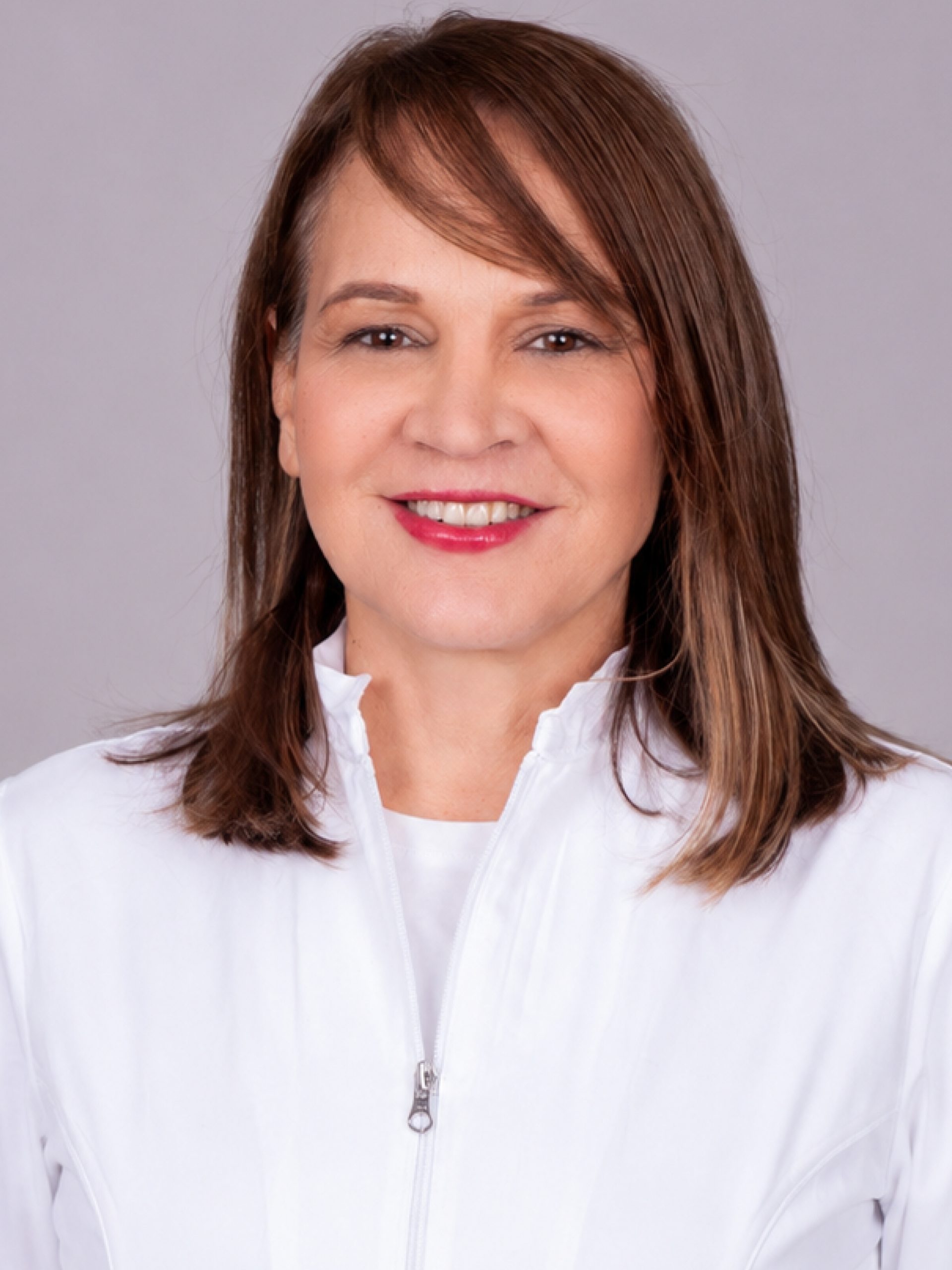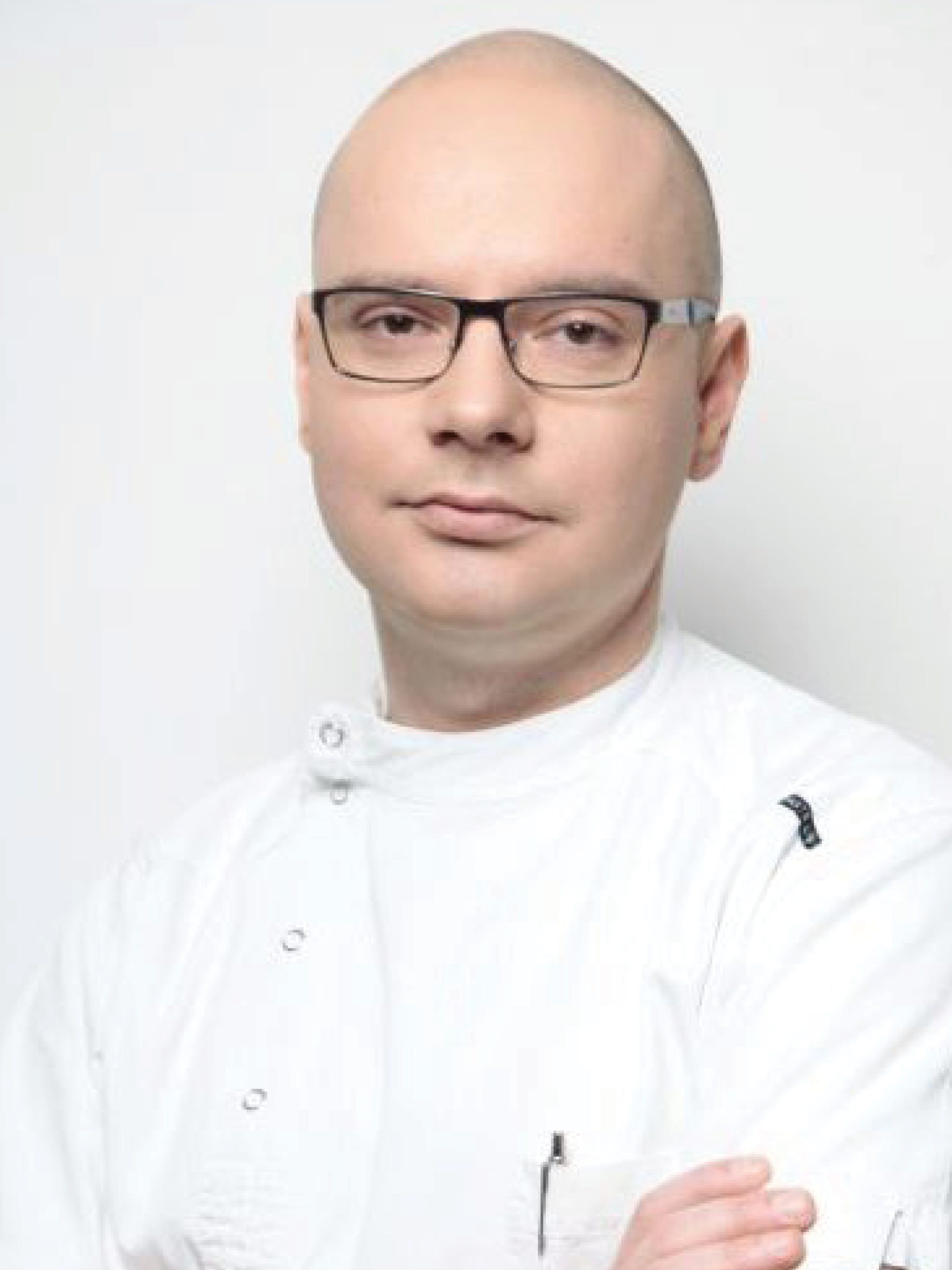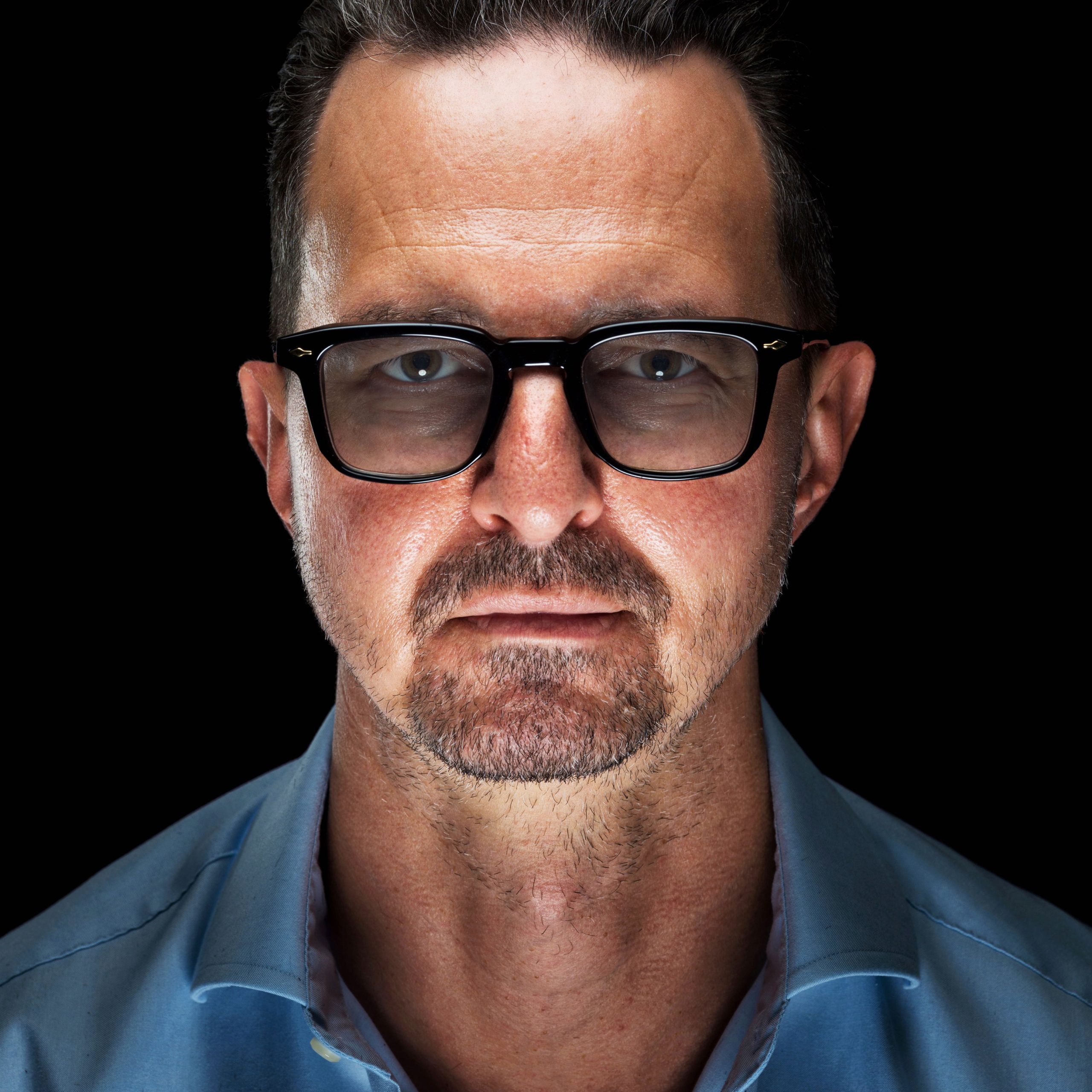
Marko Jakovac
About
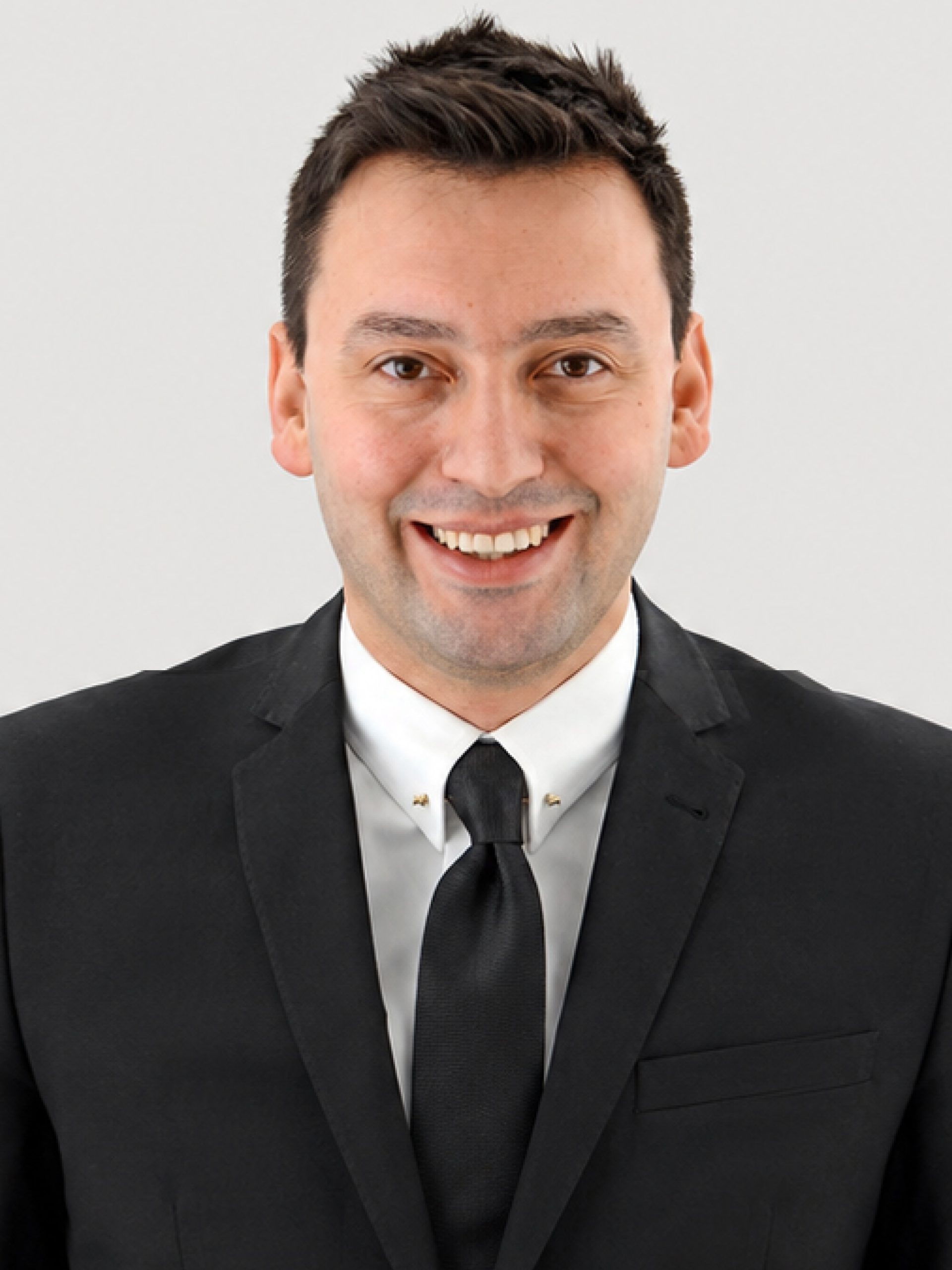
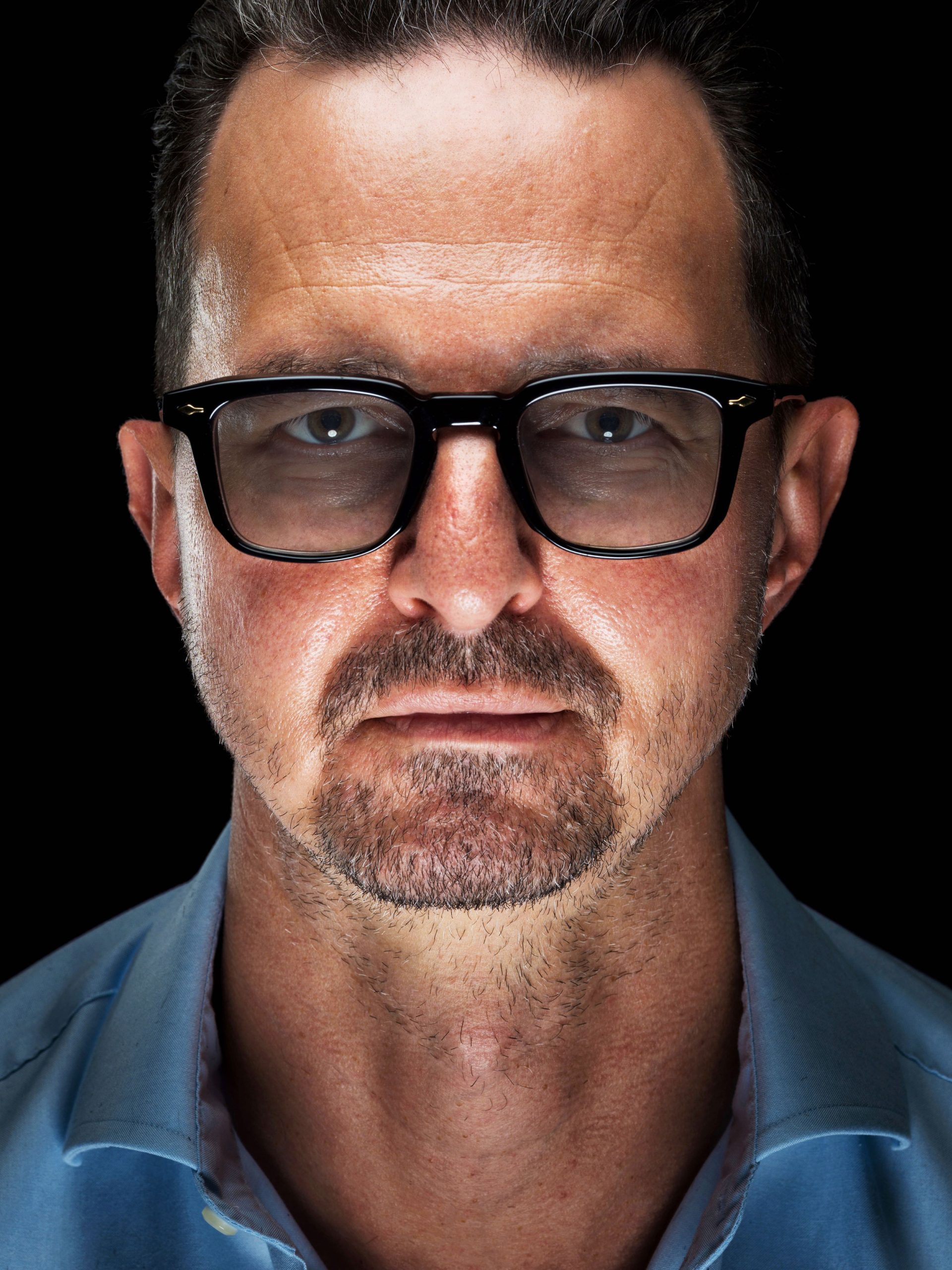
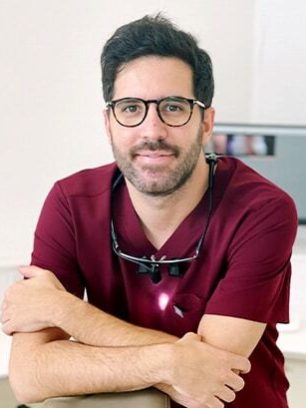
Professor Marko Jakovac was born on October 4, 1974, in Zagreb, Croatia. He graduated from the School of Dental Medicine, University of Zagreb, in 1998, where he later completed his postgraduate studies, specialization in Prosthodontics (2005), MSc degree (2003), and PhD (2008). Since 2023, he has been a Full Professor at the Department of Fixed Prosthodontics, School of Dental Medicine, University of Zagreb. He previously served as Head of the Department of Fixed Prosthodontics and has been Vice-Dean for Postgraduate Specialist Studies and Continuing Education since 2018.
He is the author of the undergraduate textbook *Preclinical and Laboratory Fixed Prosthodontics* (2020), the Croatian book *Protokol* (2023), and the internationally published *Protocol – Standardisation in Fixed Prosthodontics* (2024), which became one of Quintessence Publishing’s Top 10 best-selling titles. In 2026, the Portuguese edition of *Protocol* was published, while the Chinese edition is currently in preparation. He has authored numerous scientific and professional publications and book chapters and has supervised more than 30 graduate theses and several postgraduate dissertations.
Professor Jakovac is an internationally recognized lecturer and course organizer in the fields of fixed prosthodontics, aesthetic and digital dentistry. He collaborates as a Key Opinion Leader with companies such as Ivoclar, Carl Zeiss, 3Shape, and Dentsply Sirona.
He is a founder and former vice-president of the Croatian Society of Minimal Intervention in Dental Medicine, co-founder of the European Academy of Digital Dentistry, and an Affiliate Member of the European Academy of Esthetic Dentistry (EAED), one of the world’s most prestigious organizations dedicated to excellence in esthetic dentistry. He is also a member of several national professional organizations and the owner of the Aesthetica Polyclinic and the Ae Vision Educational Centre.
Lecture
Guided by Design: Protocols for Complex Tooth- and Implant-Supported Rehabilitations
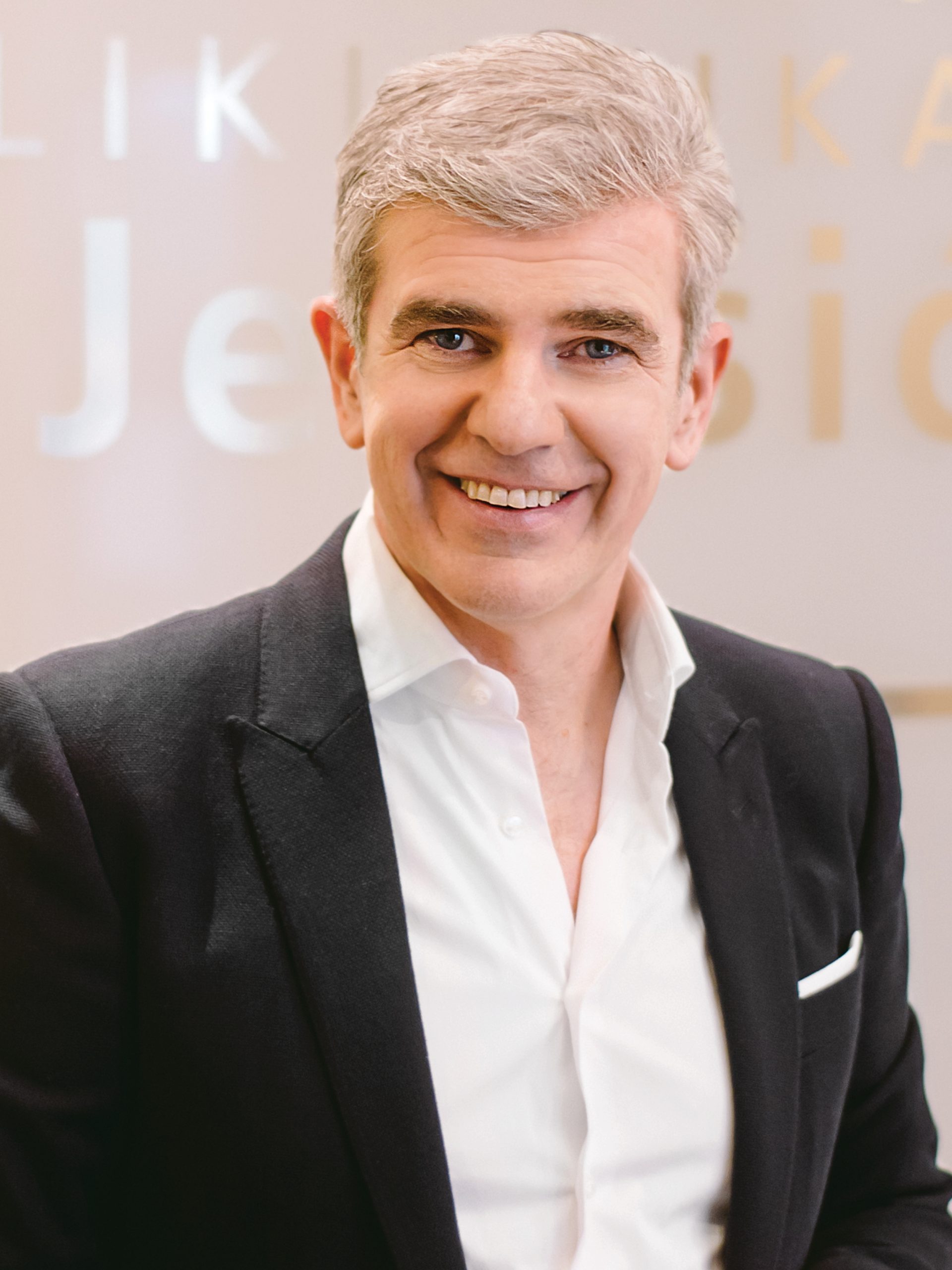
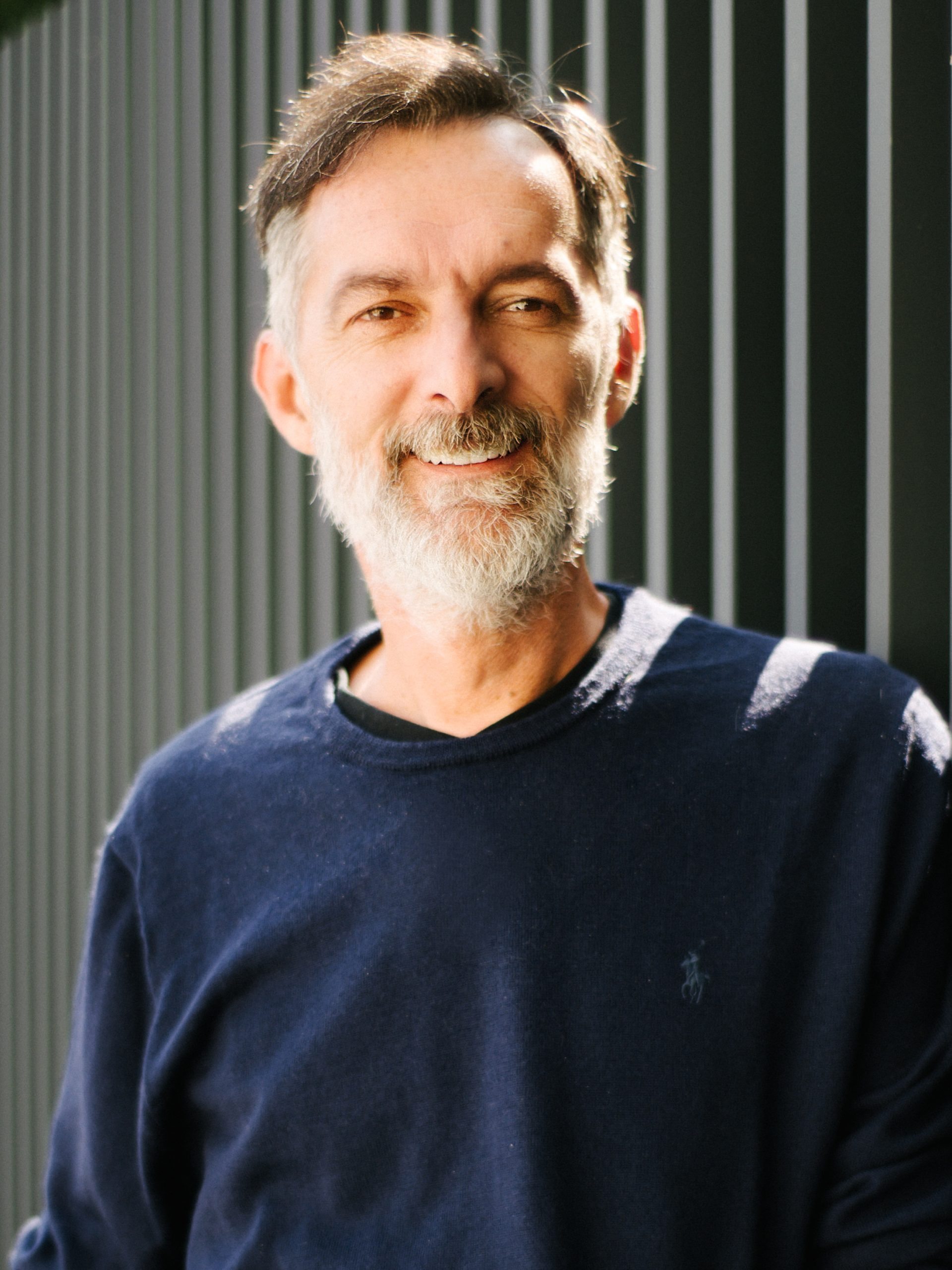
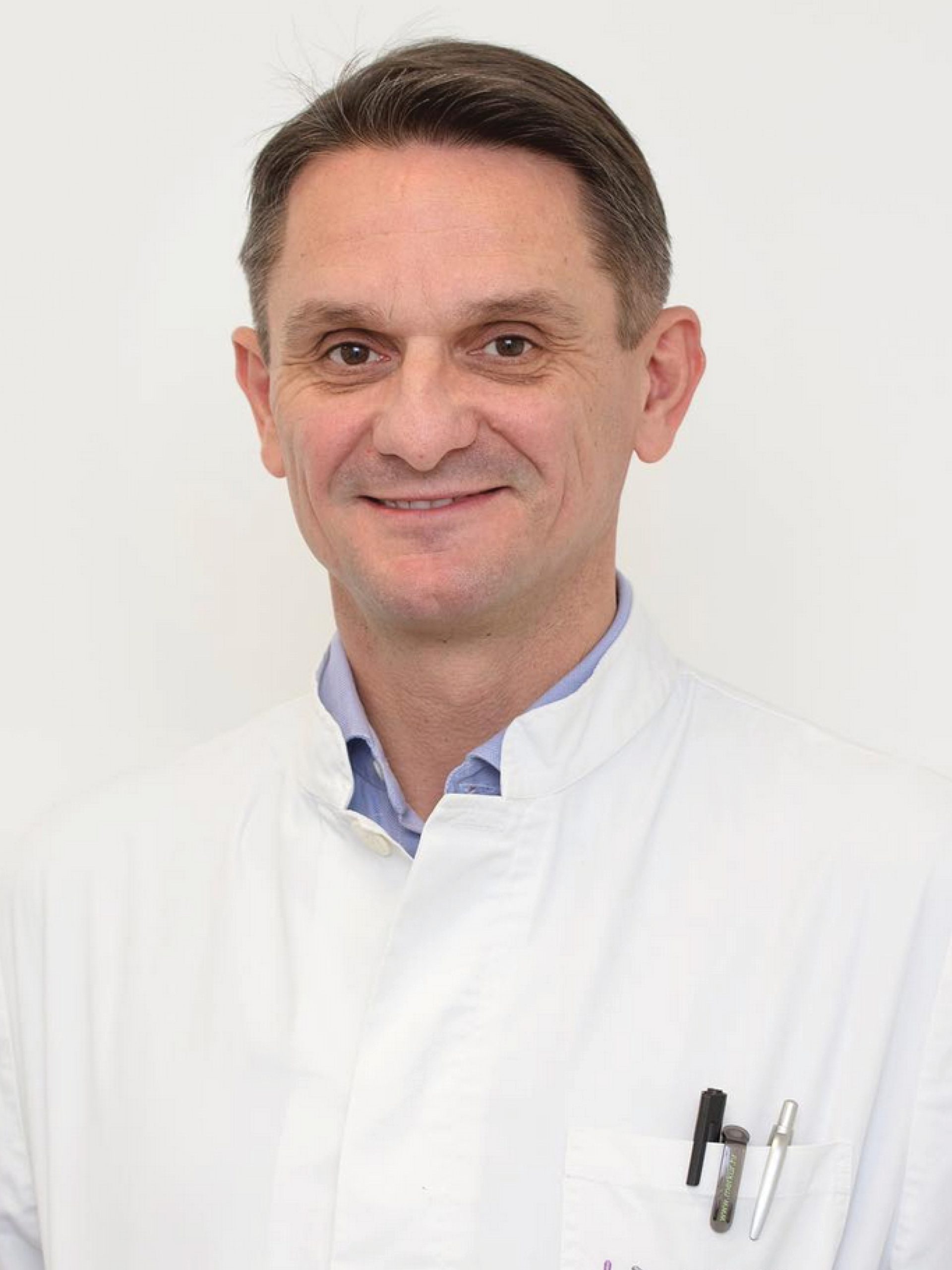
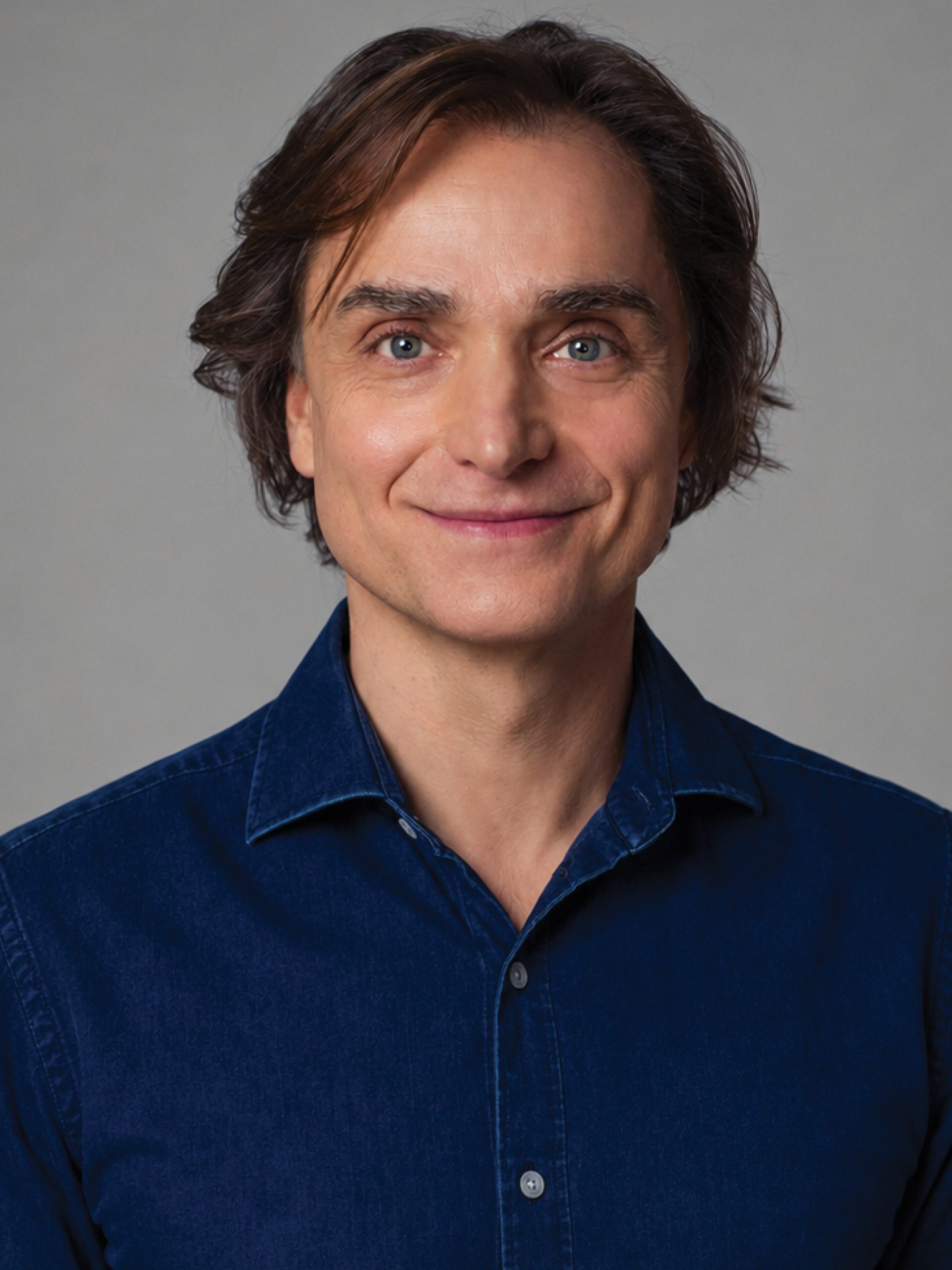
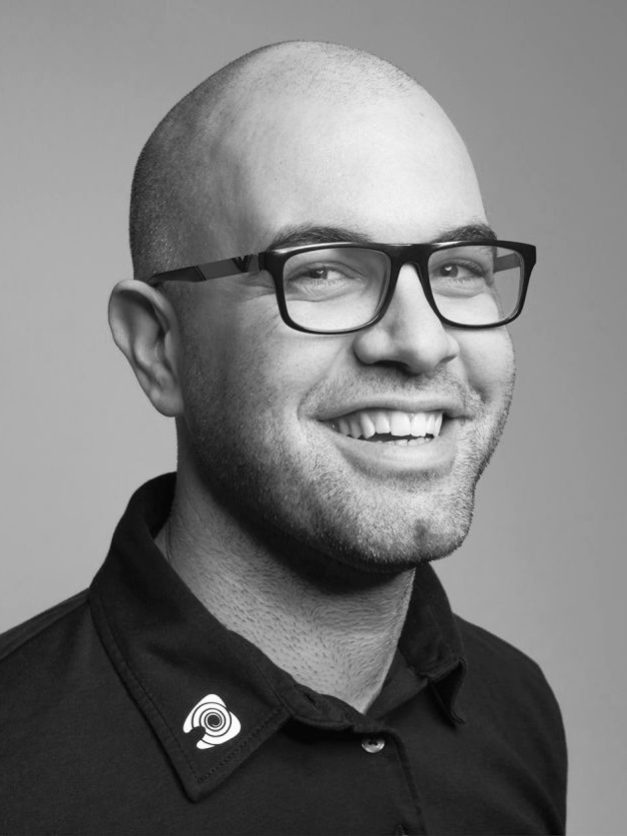
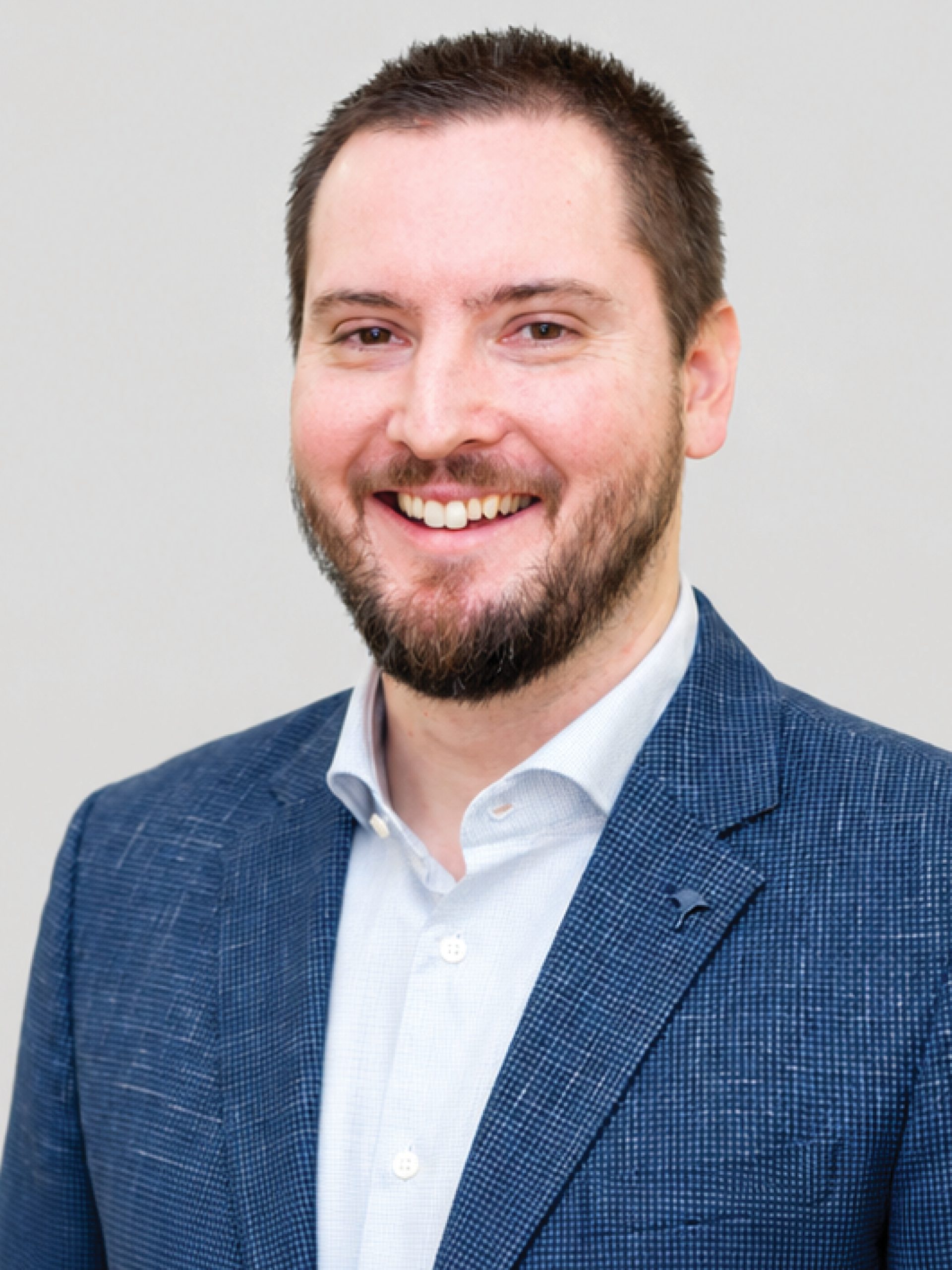
Speakers: Marko Jakovac, Ivan Ćatović, and Damir Jelušić
Driven by growing clinical experience, continuous advances in dental materials and products, and the rapid development of digital technologies, contemporary prosthetic rehabilitation of patients on both natural teeth and implants has undergone a profound transformation. Digital technologies are now more accessible than ever before, making their integration into everyday clinical practice both practical and efficient.
Modern treatment planning is based on comprehensive 3D diagnostics and digital tools that enable all key clinical decisions to be made before treatment begins. Consequently, therapy follows a “begin with the end in mind” philosophy—planning backwards from the desired final outcome rather than progressing through the traditional “start-to-finish” workflow. An ideal digital diagnostic protocol combines CBCT imaging, intraoral scanning, facial scanning, and digital jaw motion recording. The integration of these datasets creates a digital patient clone—a virtual avatar that serves as the foundation for precise treatment planning and predictable implant-prosthetic rehabilitation.
In implant prosthodontics, the workflow begins with a digital smile design based on established principles of facial, lip, and dental harmony according to the Smile Design concept. Through a series of clinical cases, the speakers will demonstrate the process of planning implants in ideal prosthetic positions and translating those plans into clinical reality.
The use of dynamic navigation provides an additional level of surgical precision and flexibility by accurately transferring the virtually planned implant position into the patient’s actual anatomical environment. Dynamic navigation bridges the gap between digital planning and surgical execution, offering real-time visualization and guidance for safe and precise implant placement exactly as planned.
The subsequent prosthetic phase focuses on the realization of the digitally designed restoration. Monolithic zirconia restorations, as well as zirconia hybrid prostheses supported by an internal titanium framework and fabricated in full anatomical contour, represent reliable, durable, and highly predictable restorative solutions.
The speakers will present a prosthetically driven concept for planning complex implant-prosthetic rehabilitations according to the “begin with the end in mind” philosophy, applicable to both natural teeth and implant-supported restorations. This digital workflow is particularly valuable in extensive rehabilitations, ranging from severe jaw resorption requiring pink-and-white aesthetic solutions (FP3) to moderate and minor ridge defects where an FP2 restorative concept is indicated.
Through clinical case presentations, the speakers will demonstrate comprehensive rehabilitations that combine implant therapy with prosthetic treatment on natural teeth, including highly aesthetic solutions using crowns and veneers. Protocols from their daily clinical practice will be presented, together with surgical and prosthetic outcomes and long-term follow-up results, illustrating the predictability and success of digitally guided treatment.