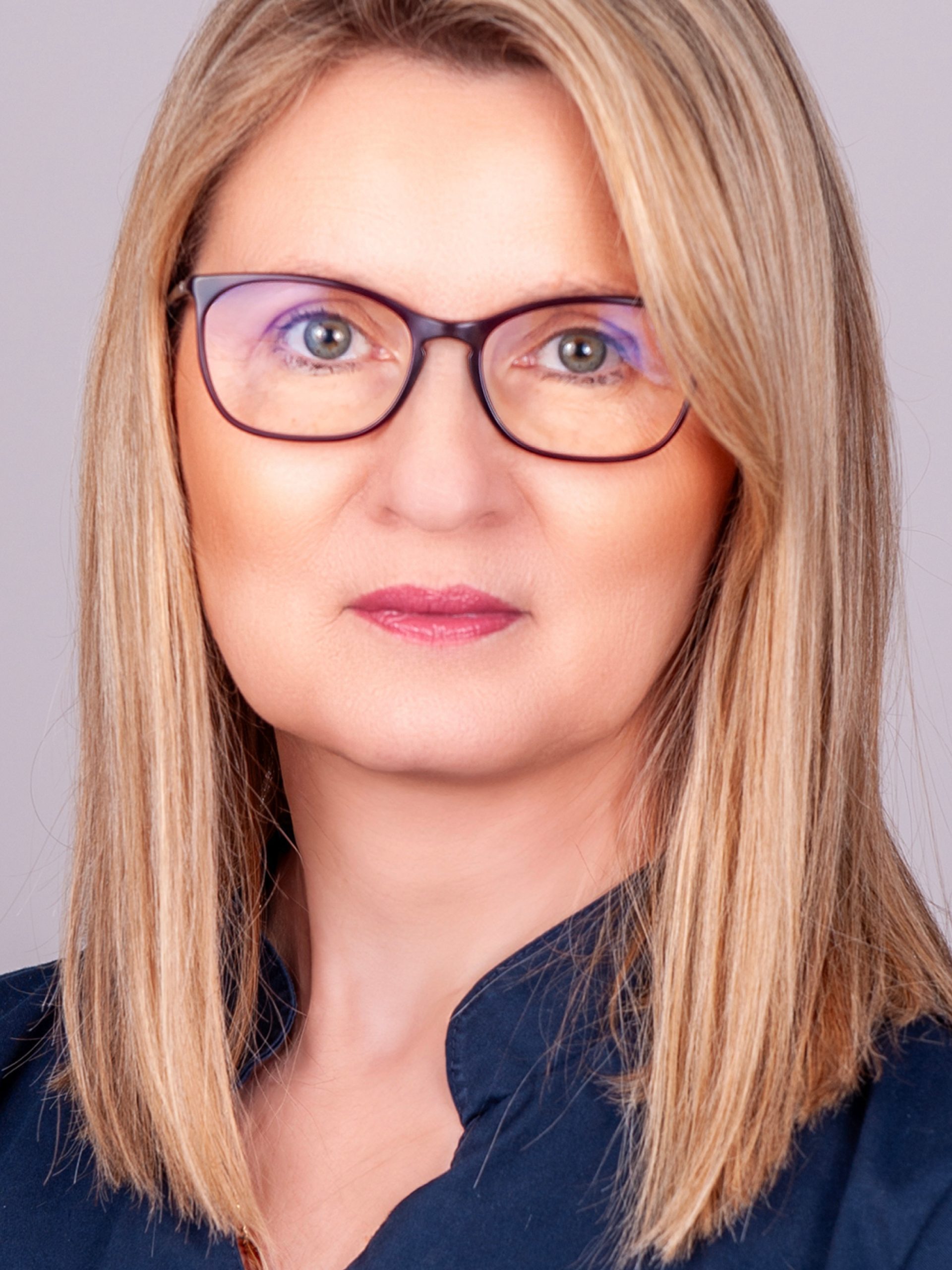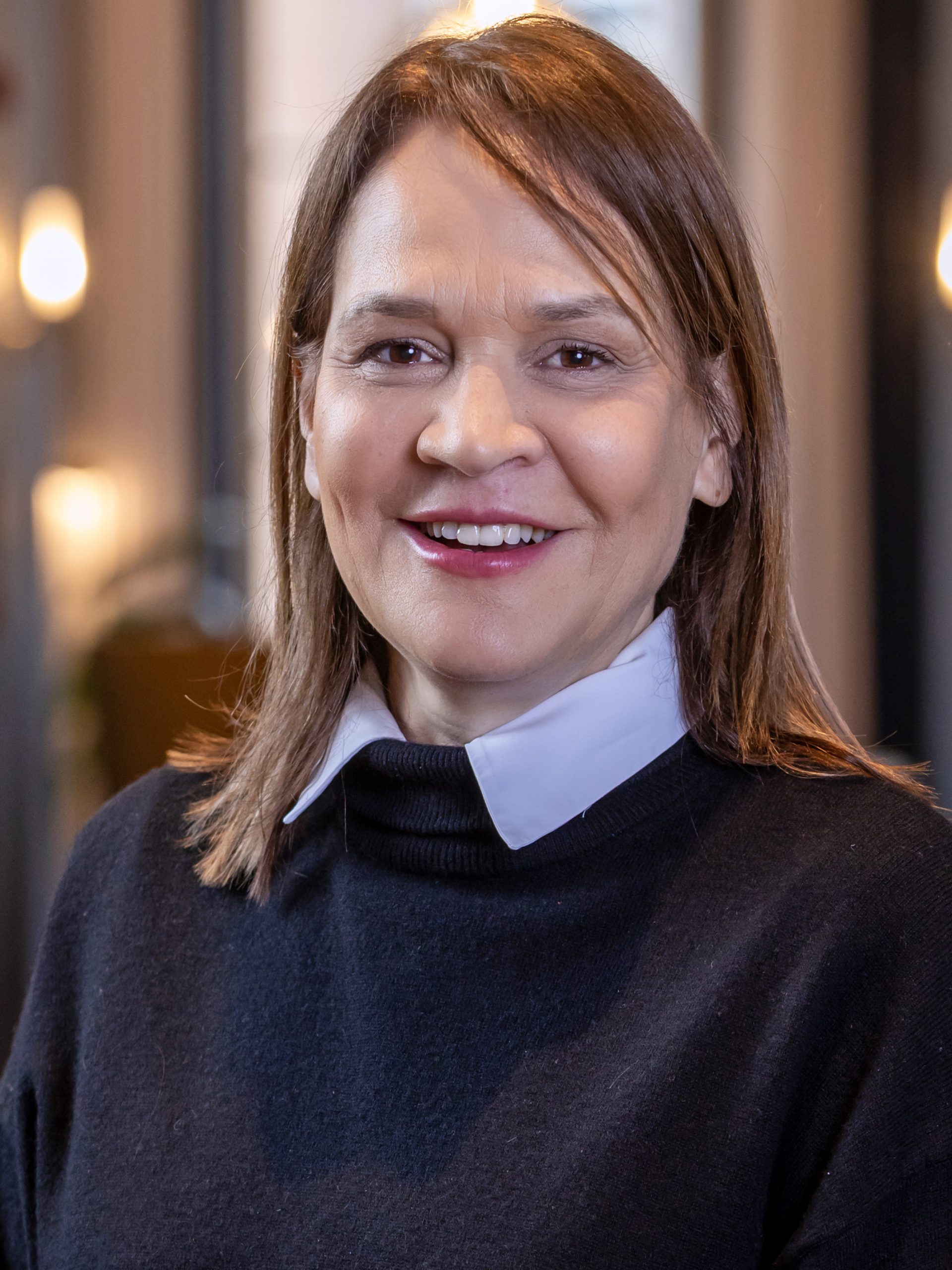
Larisa Musić
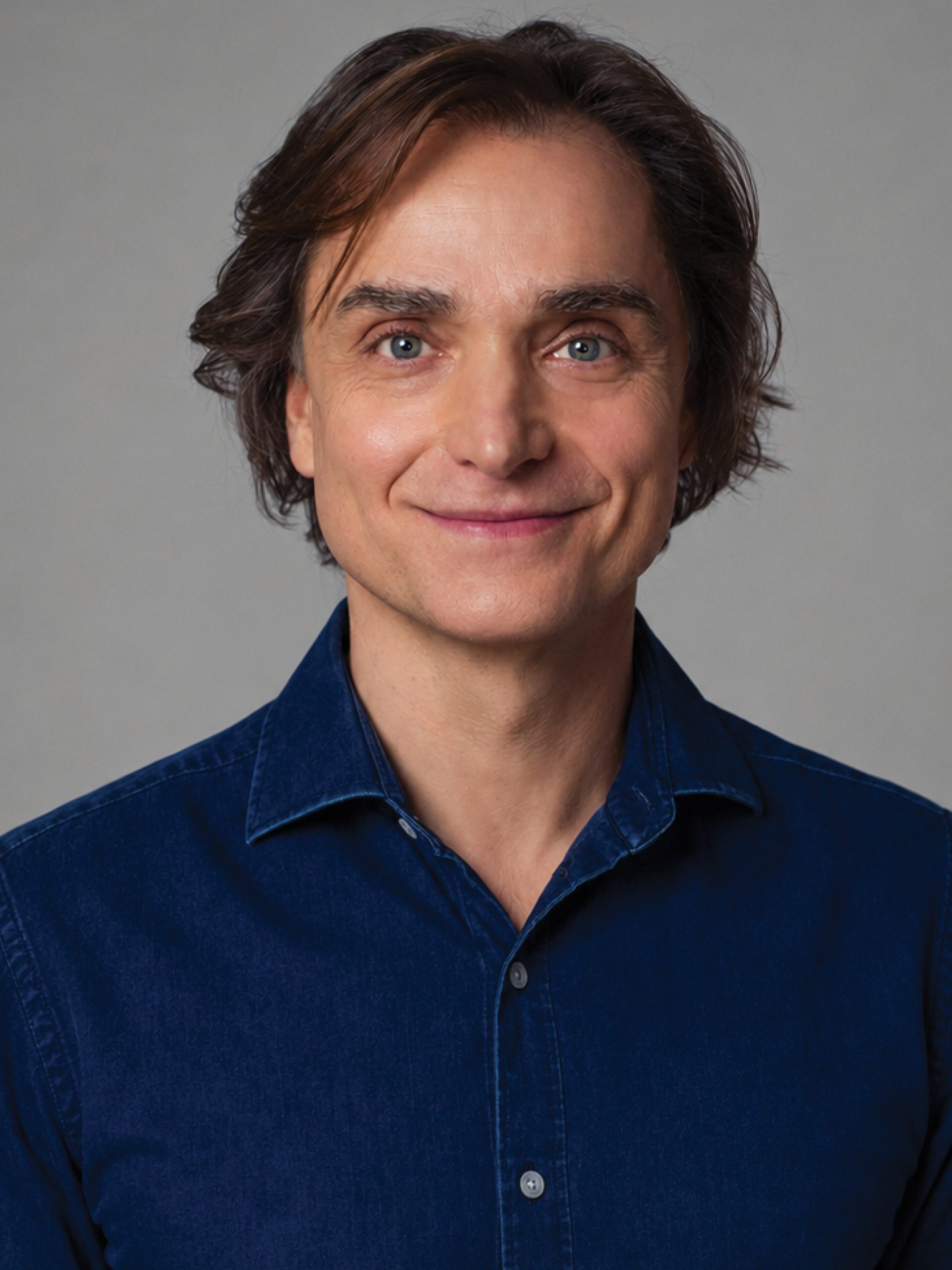
Dr. Larisa Musić je docentica i specijalistica parodontologije s bogatim kliničkim, znanstvenim i nastavnim iskustvom u području parodontologije i dentalne implantologije. Njezin istraživački rad usmjeren je na suvremene pristupe liječenju parodontitisa i halitoze, a aktivno doprinosi edukaciji dentalnih stručnjaka kroz nastavu, istraživanja i stručne tečajeve.
O predavaču
Larisa Musić diplomirala je na Stomatološkom fakultetu Sveučilišta u Zagrebu, gdje je ujedno usmjerila svoju kliničku i znanstvenu karijeru u području parodontologije. Specijalizaciju iz parodontologije završila je u Kliničkom bolničkom centru Zagreb, a potom stekla i doktorat znanosti iz istog područja, s istraživanjem usmjerenim na oralne probiotike i liječenje halitoze. Uz to je diplomirala na poslijediplomskim sveučilišnim specijalističkim studijima Dentalne implantologije i Dentalne medicine.
Od 2015. godine zaposlena je na Zavodu za parodontologiju Stomatološkog fakulteta Sveučilišta u Zagrebu, najprije kao asistent, zatim kao viši asistent od 2021., a od 2024. godine kao docent. Aktivno sudjeluje u nastavnim, kliničkim i istraživačkim aktivnostima Zavoda. Nastavnik je integriranog preddiplomskog i diplomskog studija dentalne medicine na hrvatskom i engleskom jeziku te na poslijediplomskim specijalističkim studijima Dentalne implantologije, Restaurativne dentalne medicine i endodoncije i Dentalne protetike. Također sudjeluje u programima trajne izobrazbe Fakulteta.
Njezini znanstveni interesi usmjereni su na dodatne terapije u nekirurškom liječenju parodontitisa i na halitozu, a kao glavna klinička terapeutkinja – ispitivačica sudjelovala je u više randomiziranih kontroliranih istraživanja koja su se provodila u jednom i više istraživačkih centara.
Aktivna je članica stručnih društava: obnaša dužnost tajnice Hrvatskog parodontološkog društva (HPD) te je članice Upravnog odbora Hrvatskog društva za estetsku dentalnu medicinu (HDEDM).
U edukacijskom centru Educen, Matulji, Hrvatska, u kontinuitetu od 2021. godine drži tečaj nekirurške parodontološke terapije.
Predavanje
Parodontološki principi kao biološki temelj uspješne protetske terapije
Uspješna protetska rehabilitacija ne ovisi samo o mehaničkoj preciznosti i estetskom planiranju, već i o biološkoj stabilnosti potpornih parodontnih tkiva. Parodontologija i dentalna protetika stoga su usko povezane discipline, objedinjene zajedničkim ciljem uspostave funkcije, estetike i dugoročnog oralnog zdravlja. Prije započinjanja definitivne protetske terapije, parodont je potrebno pažljivo evaluirati, stabilizirati te ga, kada je indicirano, kirurški modificirati kako bi se osigurao zdrav i predvidljiv temelj.
Ovo predavanje bit će usmjereno na parodontološku pripremnu (pred)terapiju kao biološki preduvjet uspješne protetske rehabilitacije. Adresirat će česta klinička pitanja vezana uz kontrolu upale, arhitekturu mekih tkiva, gingivni fenotip, resektivne i augmentativne kirurške parodontološke zahvate te pravilan vremenski slijed terapije unutar cjelokupnog rehabilitacijskog protokola.
Parodontološku terapiju prije protetske ne treba promatrati kao zasebnu pripremnu fazu, već kao sastavni dio sveobuhvatne rehabilitacije. Poštivanjem bioloških načela i omogućavanjem adekvatnog cijeljenja, kliničari mogu postići nadomjestke koji su funkcionalni, estetski, stabilni, održivi i dugoročno skladni s okolnim tkivima.
Workshop
Guided Biofilm Therapy – redefinirani postupak profesionalnog čišćenja oko zubi i implantata
Pacijenti se uobičajeno svakih 6 – 12 mjeseci pozivaju na profilaktičko čišćenje, a kod osoba s parodontitisom ili periimplantatnim patologijama frekvencija dolazaka je i češća. Ipak, pitanje koje se postavlja jest kojim instrumentima možemo površinu zuba i/ili implantata čistiti često, opetovano, bez straha od oštećenja, da daju kliničke rezultate, i da pacijenti imaju veoma pozitivno iskustvo koje žele ponoviti?
Guided Biofilm Therapy (GBT) predstavlja suvremen, strukturiran i minimalno invazivan pristup profesionalnom održavanju oko zubi i implantata. Ovaj protokol nije „samo“ uklanjanje kamenca ili klasična profilaksa, već biološki vođen postupak usmjeren na kontrolu biofilma kao ključnog etiološkog čimbenika u nastanku upala oko zubi i implantata te karijesa.
Kroz osam jasno definiranih koraka koja se klinički prate, GBT omogućuje individualnu procjenu rizika, motivaciju pacijenta, vizualizaciju biofilma, ciljano čišćenje s minimalno invazivnim tehnologijama te završnu kontrolu i planiranje daljnjeg održavanja. Primjenjuje se u prevenciji i liječenju gingivitisa, parodontitisa, periimplantatnog mukozitisa i kao dio nekirurškog pristupa periimplantitisu. Ima ulogu i praktičnu primjenu u prevenciji karijesa, čišćenju kaviteta prije izrade ispuna, prije izbjeljivanja, oko ortodontskih aparata i kod djece.
Posebna prednost ovog postupka jest njegova sigurnost u području implantata. Primjenom odgovarajućeg praha i instrumenta omogućuje se učinkovito uklanjanje biofilma bez oštećenja ili modifikacije površine implantata i suprastrukture, neovisno o materijalu. GBT tako postaje važan dio dugoročnog, sigurnog i predvidljivog postizanja i održavanja oralnog zdravlja.