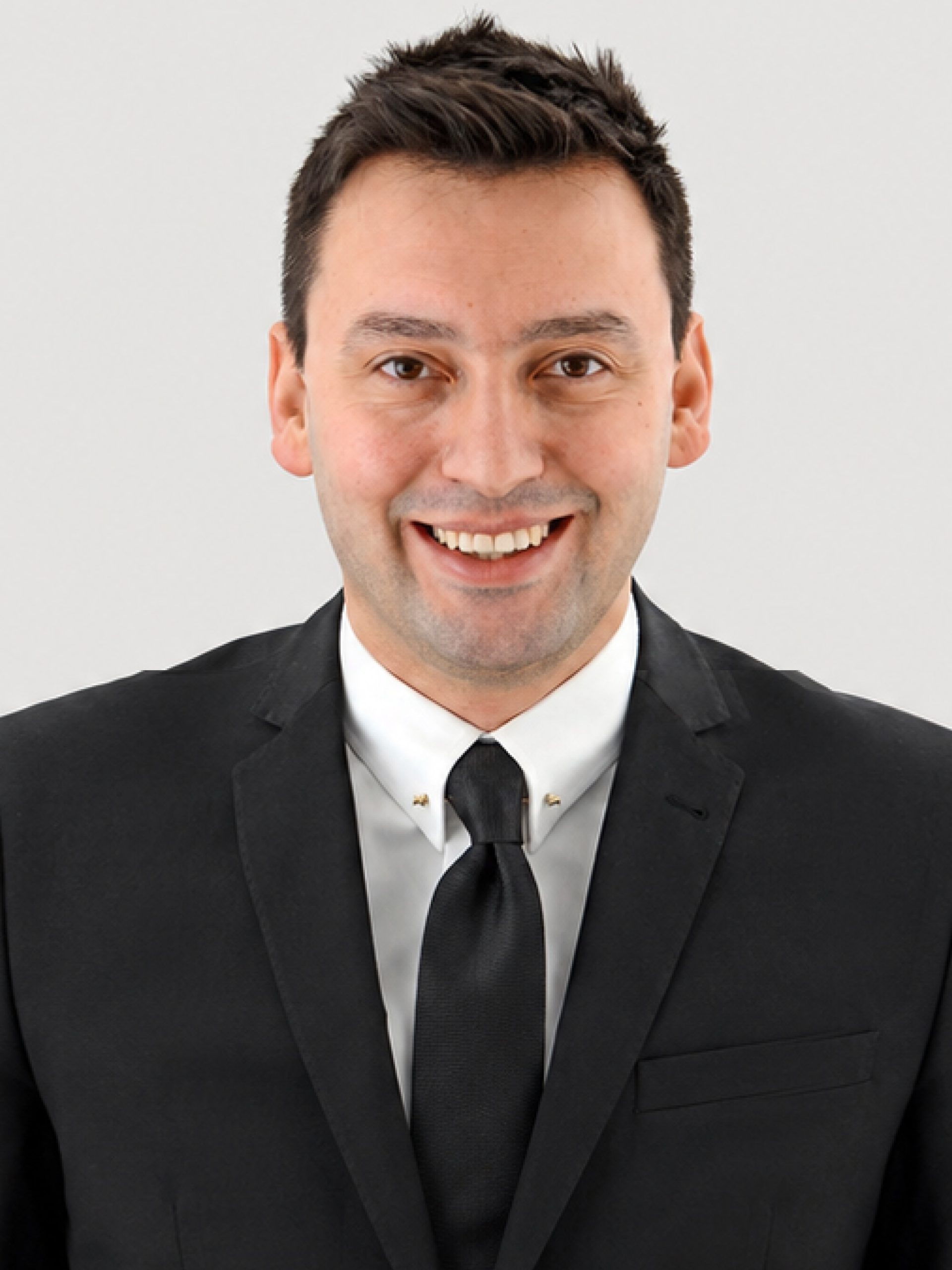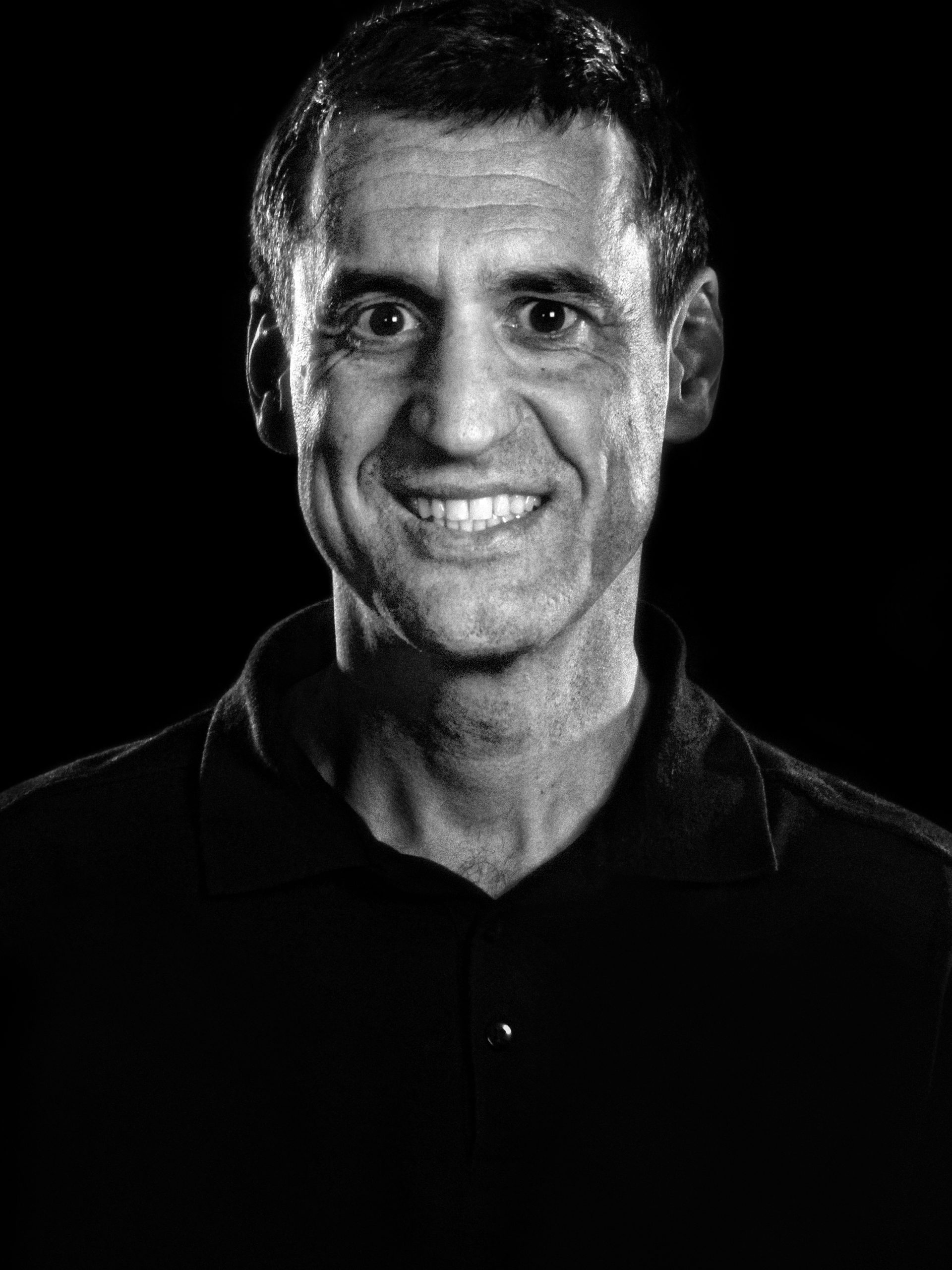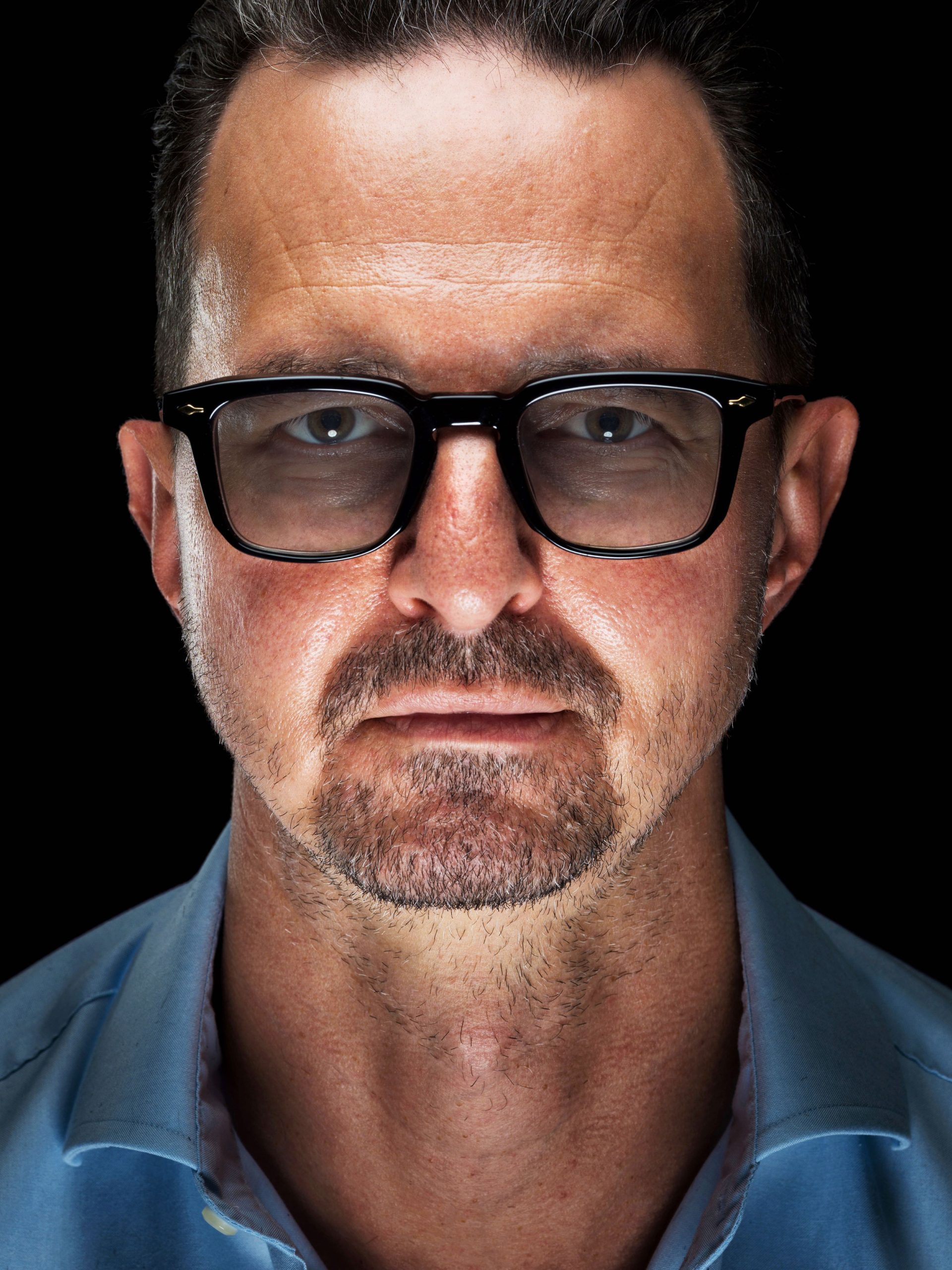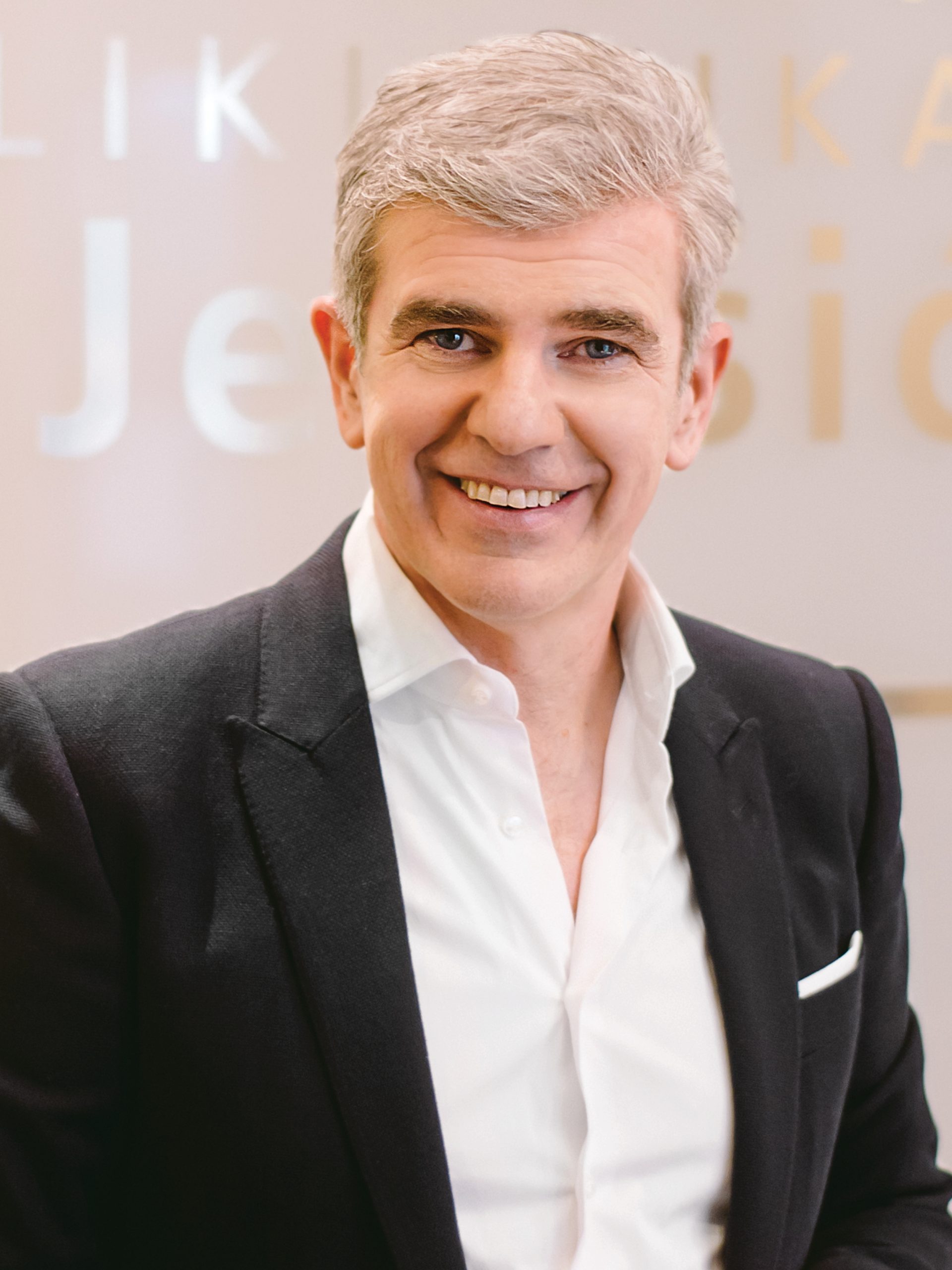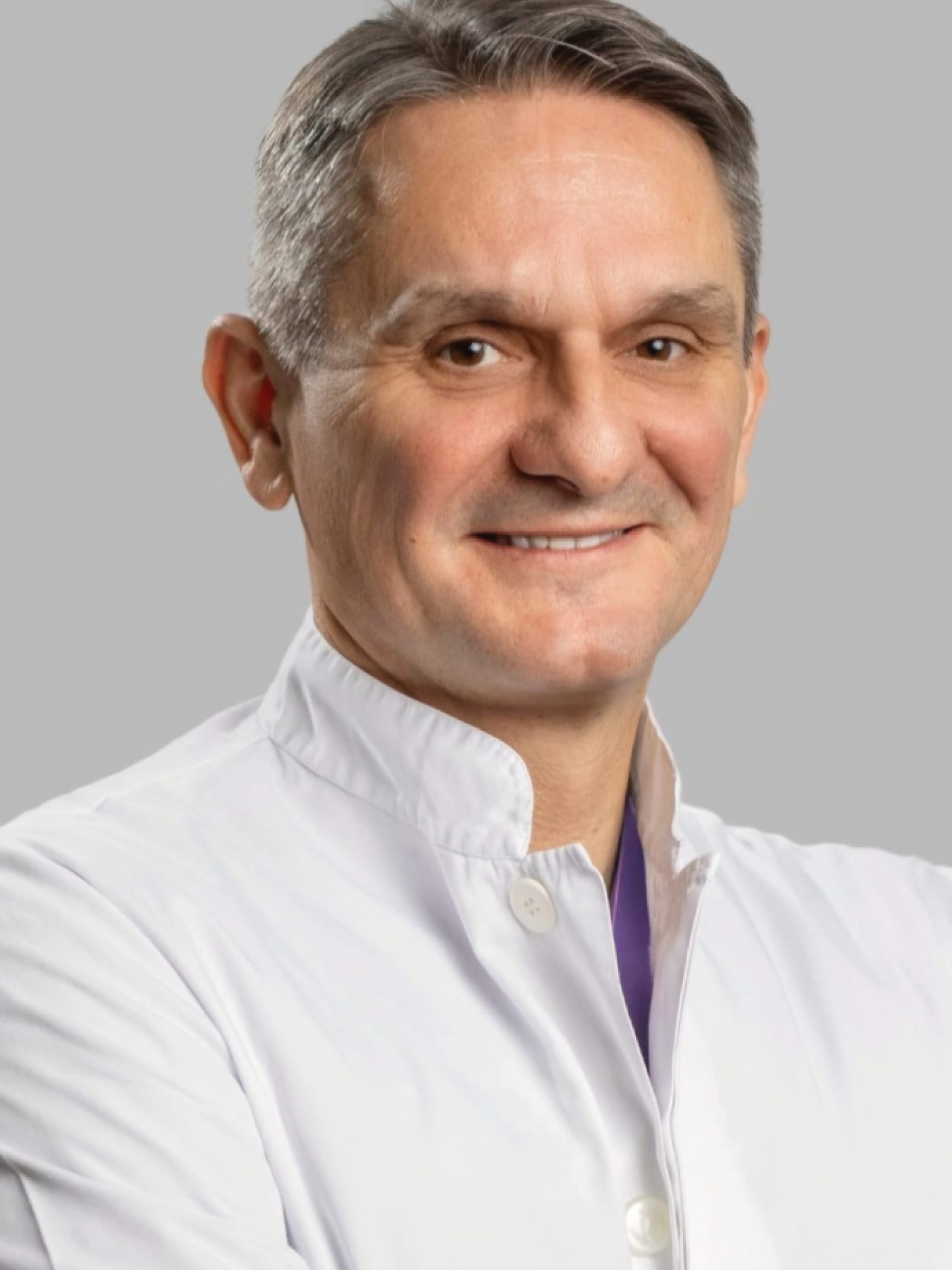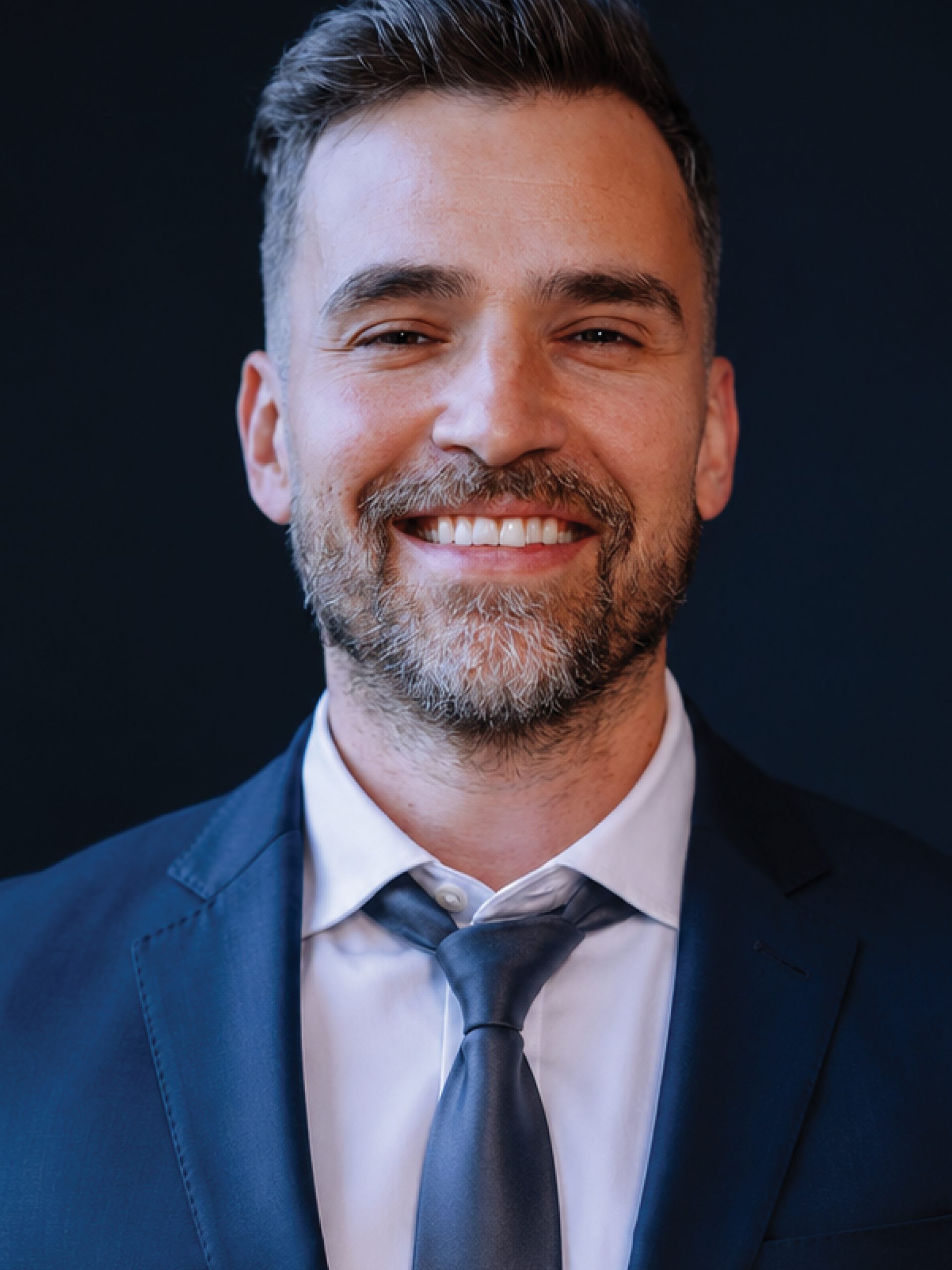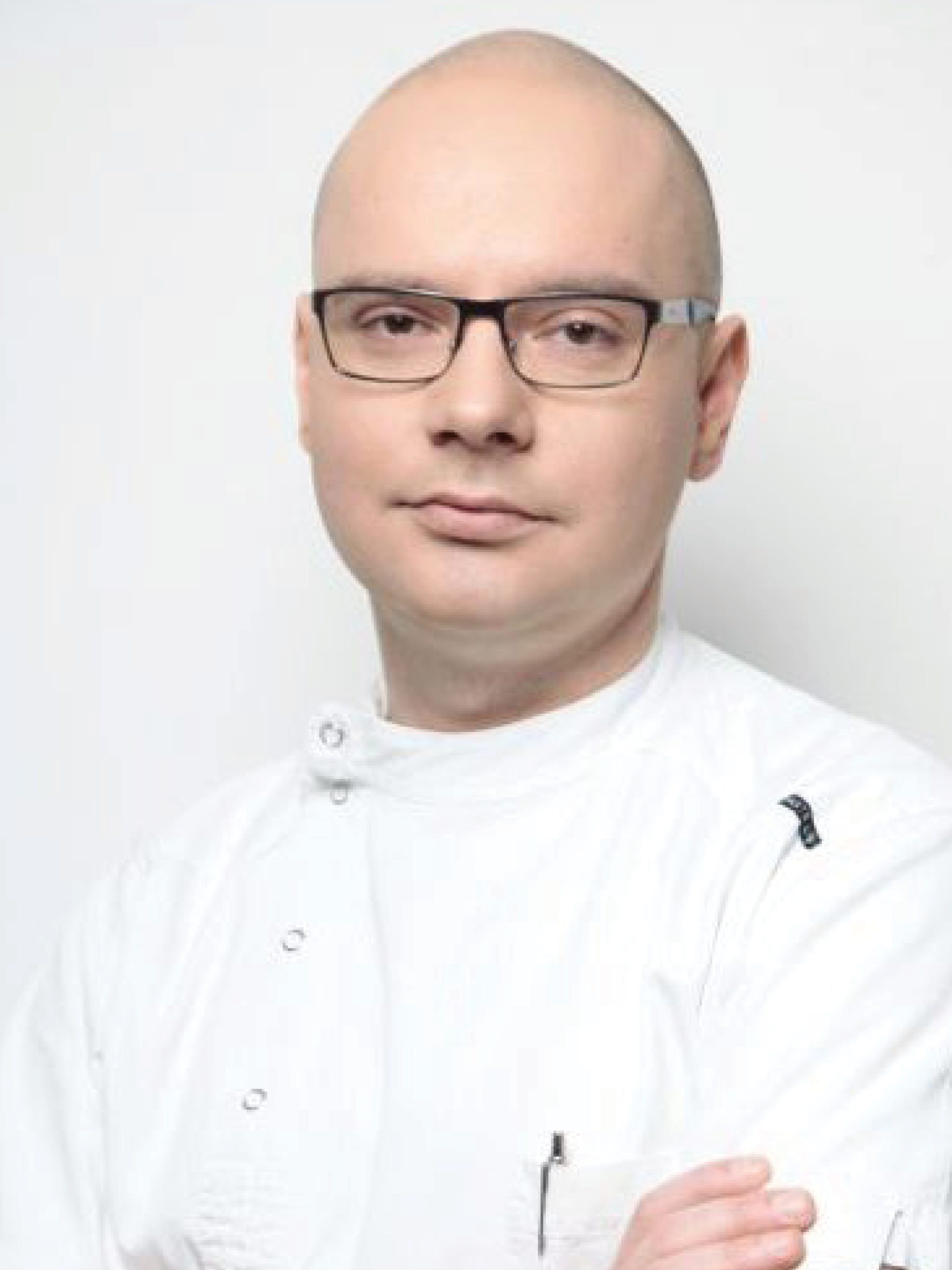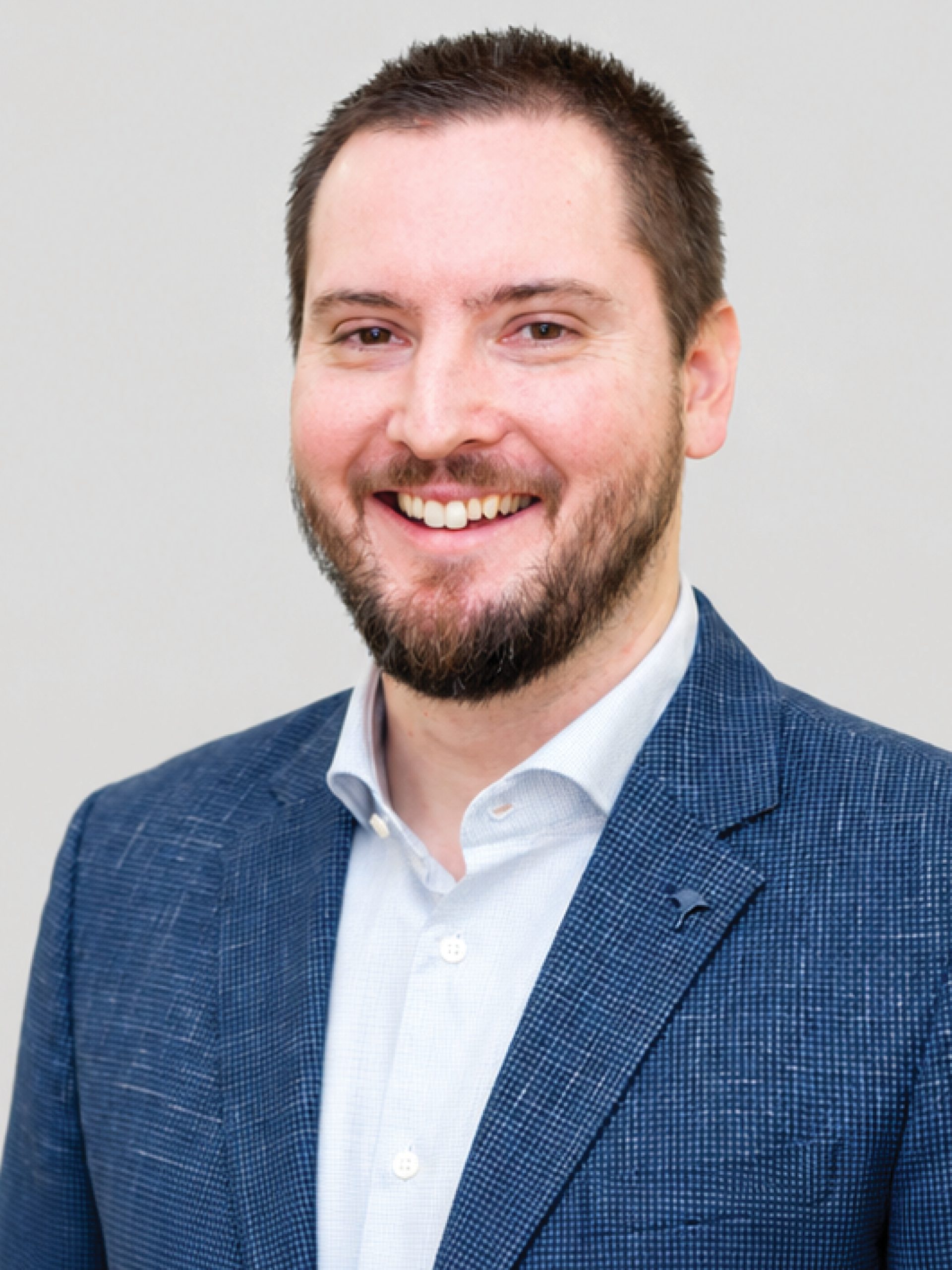
Marko Blašković
Dr. Blašković je doktor znanosti i specijalist oralne kirurgije s bogatim kliničkim i akademskim iskustvom u području dentalne medicine. Autor stručnih i znanstvenih radova te aktivni sudionik domaćih i međunarodnih kongresa, doprinosi razvoju oralne kirurgije kroz praksu, istraživanje i edukaciju.
O predavaču
Dr. Blašković je diplomirao 2003. godine na Medicinskom fakultetu u Rijeci, na Studiju dentalne medicine. Nakon obavljenog pripravničkog staža, radi u Poliklinici Blašković. Specijalistički ispit iz oralne kirurgije polaže 2016. godine. Od 2016. godine postaje naslovni asistent na Katedri za oralnu kirurgiju Fakulteta dentalne medicine Sveučilišta u Rijeka. Nakon uspješne obrane doktorske disertacije, stječe titulu doktora znanosti 2023. godine.
Sudjeluje aktivno na više domaćih i međunarodnih kongresa. Autor je i koautor znanstvenih i stručnih članaka objavljenih u domaćim i međunarodnim recenziranim časopisima. Također, autor i koautor je više poglavlja objavljenih u stručnim knjigama, od čega tri poglavlja u sveučilišnom udžbeniku.
Član je Hrvatske komore dentalne medicine, Hrvatskog liječničkog zbora, Hrvatskog društva za dentalnu implantologiju i Hrvatskog društva za oralnu kirurgiju.
Predavanje
Tehnika istovremene regeneracije mekog i tvrdog tkiva u svakodnevnim kliničkim indikacijama
Defekti alveolarne kosti mogu nastati kao posljedica upalnih procesa, traume tijekom vađenja zuba, drugih oblika traume ili fiziološke resorpcije koja nastupa nakon ekstrakcije zuba. Pri nadoknadi izgubljenih zuba implantatima, u prisutnosti koštanih defekata potrebno je nadoknaditi izgubljeni volumen kosti kako bi se omogućila protetski vođena ugradnja implantata te osigurala minimalna debljina periimplantatne kosti od 1,5–2,0 mm.
Vođena regeneracija kosti (engl. Guided Bone Regeneration – GBR) danas predstavlja najbolje dokumentiranu i jednu od najčešće korištenih kirurških tehnika za regeneraciju alveolarne kosti. Biološki principi ove metode temelje se na primjeni membrane koja se postavlja iznad koštanog defekta, ispod periosta, s ciljem stvaranja i održavanja prostora za urastanje novostvorenog koštanog tkiva. Istodobno, membrana djeluje kao barijera koja sprječava migraciju stanica mekog tkiva u područje regeneracije. Od uvođenja GBR-a kontinuirano se razvijaju i usavršavaju membrane i biomaterijali, no unatoč tehnološkom napretku još uvijek ne postoji univerzalna membrana prikladna za sve kliničke indikacije.
Osim volumena kosti, na dugoročnu stabilnost, predvidljivost i estetski ishod implantoprotetske terapije značajno utječu kvaliteta i kvantiteta periimplantatnog mekog tkiva. Prije izrade definitivnog protetskog rada potrebno je osigurati odgovarajuću širinu keratiniziranog periimplantatnog tkiva te dostatnu horizontalnu i vertikalnu dimenziju mekog tkiva. U slučajevima nedostatnog volumena indicirane su različite tehnike augmentacije mekog tkiva.
Fokus ovog predavanja bit će prikaz nove tehnike istovremene regeneracije tvrdog i mekog tkiva, koja kombinira primjenu nove resorptivne membrane i ksenogene kolagene matrice. Kroz prikaz kliničkih slučajeva bit će predstavljene indikacije, kirurški protokol te potencijalne prednosti ovog pristupa u svakodnevnoj kliničkoj praksi.
Hands-on
Prezervacija alveole – indikacije, tehnike i rješenja
Nakon ekstrakcije zuba dolazi do fiziološke resorpcije alveolarnog grebena, pri čemu su promjene najizraženije tijekom prvih nekoliko mjeseci cijeljenja. U slučajevima kada je bukalna koštana stijenka tanja od 1 mm ili kada postoji njezino oštećenje, može se očekivati izraženija resorpcija koštanog tkiva. Gubitak horizontalne i vertikalne dimenzije kosti može otežati kasniju implantološku i protetsku rehabilitaciju te povećati potrebu za dodatnim regenerativnim zahvatima.
Prezervacija alveole razvijena je s ciljem očuvanja volumena tvrdih i mekih tkiva te stvaranja povoljnijih uvjeta za buduću rehabilitaciju. U stručnoj literaturi opisan je širok spektar tehnika prezervacije alveole koje uključuju primjenu različitih vrsta koštanih i mekotkivnih nadomjestaka, i membrana, uz prilagodbu kirurškog pristupa kliničkoj situaciji.
Cilj ovog hands-on treninga jest upoznati polaznike s osnovnim principima prezervacije alveole te ih osposobiti za odabir i primjenu različitih vrsta membrana i koštanih graftova tijekom izvođenja postupaka očuvanja postekstrakcijskog alveolarnog grebena. Kroz praktični rad polaznici će usvojiti kirurške protokole, indikacije i ograničenja pojedinih tehnika te razviti razumijevanje čimbenika koji utječu na predvidivost kliničkog ishoda.