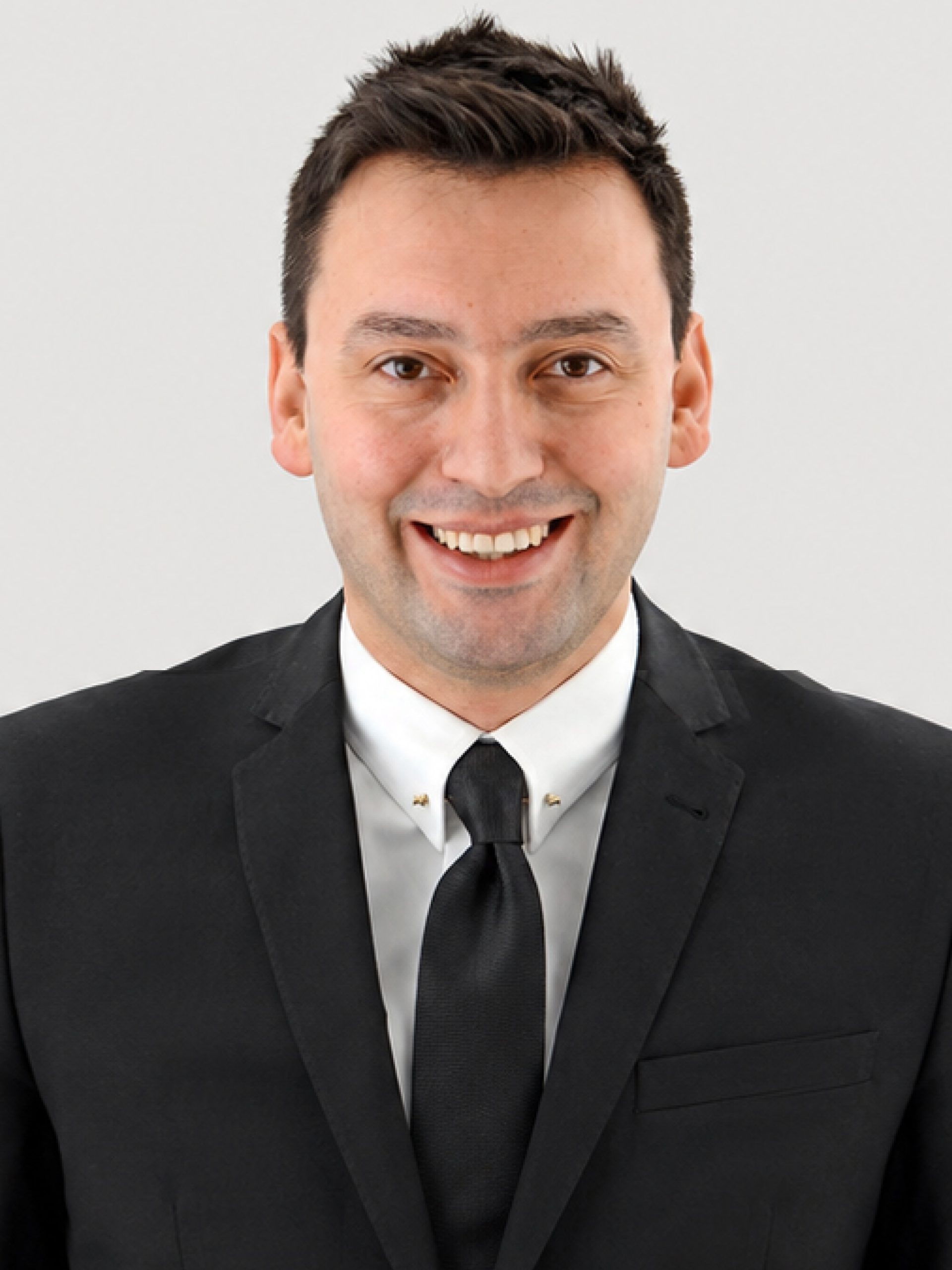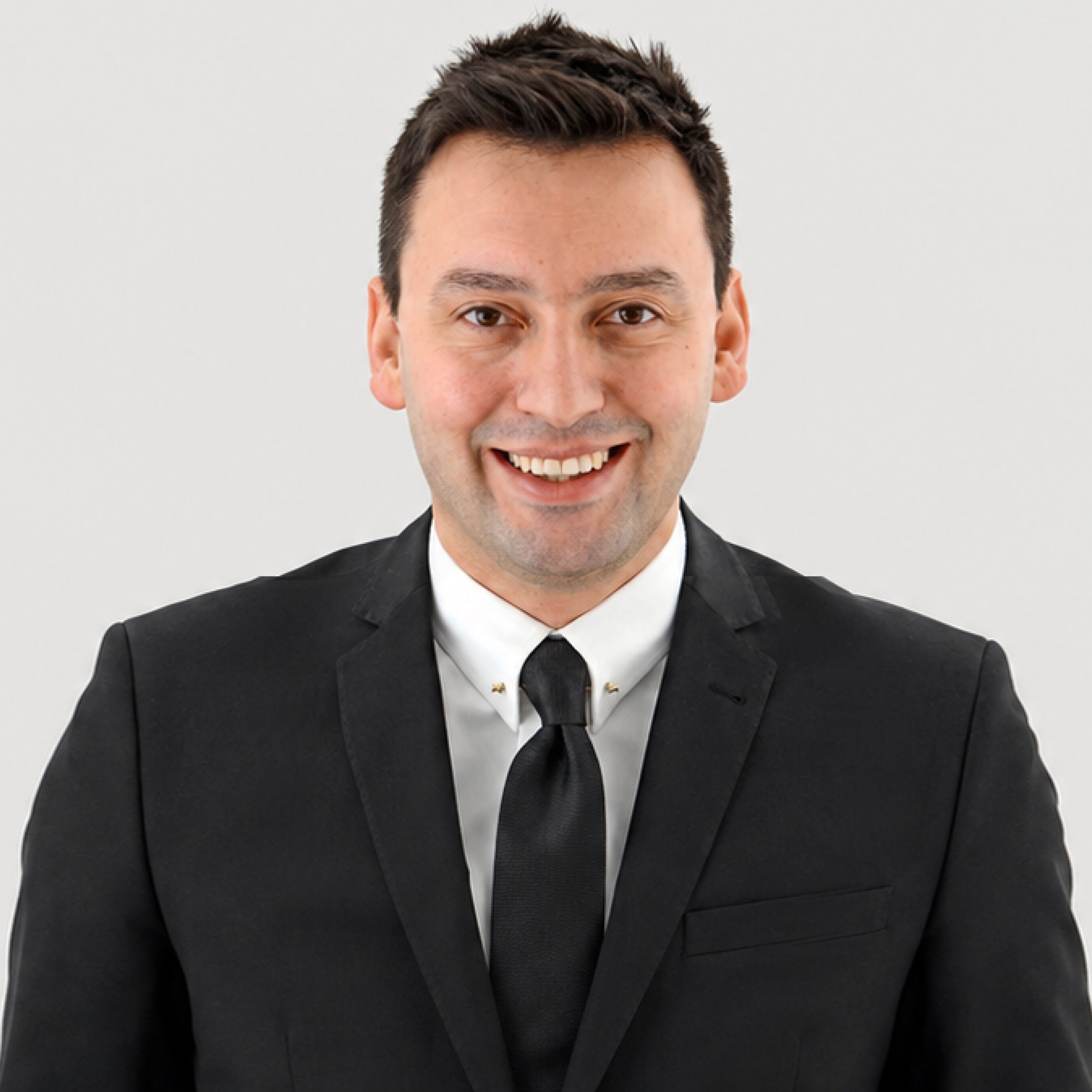
dr. Serhat Aslan
About
Prof. Serhat Aslan is a graduate of Ege University, School of Dentistry where he received his DDS degree. He attended Periodontology Program of Graduate Study offered by Institute of Health Sciences at Ege University and awarded a PhD degree at Periodontics. He maintains a private practice limited to periodontics, fixed prosthodontics and implants with focus on microsurgery, hard and soft tissue reconstruction and minimally invasive surgery.
Serhat Aslan is a Visiting Professor in the Department of Biomedical, Surgical and Dental Sciences, University of Milan, Italy and in the Department of Oral Health Sciences, Periodontology and Oral Microbiology, KU Leuven, Belgium. He is an Invited Professor in Post-graduate Program in Periodontology and Implantology, University of Porto, Portugal.
Currently, he is the Executive Board Member and General Secretary of Turkish Society of Periodontology. Also, he is a member and delegate of European Federation of Periodontology, member of Italian Society of Periodontology and Implantology, Turkish Academy of Esthetic Dentistry and honorary member of Croatian Academy of Aesthetic Dental Medicine. Prof. Aslan is intensely involved in mono/multi-center clinical research and development in periodontology, with special emphasis to plastic-periodontal surgery, guided bone/tissue regeneration and esthetic implant therapy.
More info: https://www.drserhataslan.com/en
Lecture
The art of hard and soft tissue management in periodontal and peri-implant tissue reconstruction
Recent developments in periodontal and peri-implant reconstruction have introduced a new era of minimally invasive, patient-centered surgical approaches. Tooth-retention procedures involving regenerative periodontal surgery have been extensively documented over the last two decades, and innovative flap designs have contributed to improved clinical outcomes with reduced patient morbidity.
Nevertheless, certain clinical conditions still require tooth extraction, and implant therapy remains one of the most predictable alternatives for tooth replacement. When natural dentition and dental implants coexist, treatment planning and surgical execution become more complex due to anatomical, biological, and vascular differences between teeth and implants.
Blood supply, soft tissue handling, flap thickness, flap design, passive adaptation, and tension control are essential determinants of surgical success, particularly in guided bone regeneration and peri-implant tissue reconstruction. Even when these critical factors are carefully controlled, hard and soft tissue deficiencies resulting from previous therapies, anatomical limitations, or disease-related tissue loss may create significant clinical challenges.
This lecture will highlight contemporary surgical concepts and clinical strategies for managing hard and soft tissues around teeth and implants, with particular emphasis on biologically driven decision-making, minimally invasive flap design, wound stability, and the pursuit of predictable reconstructive outcomes.
Workshop
Tension-free primary wound closure with modified periosteal releasing technique
Advances in microsurgical concepts, biomaterials, and regenerative procedures have expanded the possibilities for reconstructing deficient periodontal and peri-implant tissues. However, despite these technical developments, the fundamental principles of biology remain unchanged.
Blood supply, atraumatic soft tissue handling, flap thickness, flap design, passive flap advancement, and tension-free primary wound closure are critical factors for achieving predictable surgical outcomes. Among these, flap release and wound closure are particularly important in regenerative and augmentation procedures, where tissue stability and vascular preservation directly influence healing.
This hands-on workshop will focus on the clinical principles and technical execution of a modified periosteal releasing technique for achieving passive flap advancement and tension-free primary wound closure. Participants will review the differences between full-thickness and split-thickness flap preparation, learn key hand movements for controlled tissue reflection and release, and practice suturing strategies designed to stabilize the wound while minimizing surgical trauma.
Objectives:
– Understand the characteristics and clinical indications of full-thickness and split-thickness flaps.
– Perform controlled flap reflection and periosteal release with improved hand movement and tissue awareness.
– Recognize excessive tissue release and apply strategies to minimize trauma.
– Stabilize the wound using simple and advanced suturing techniques.