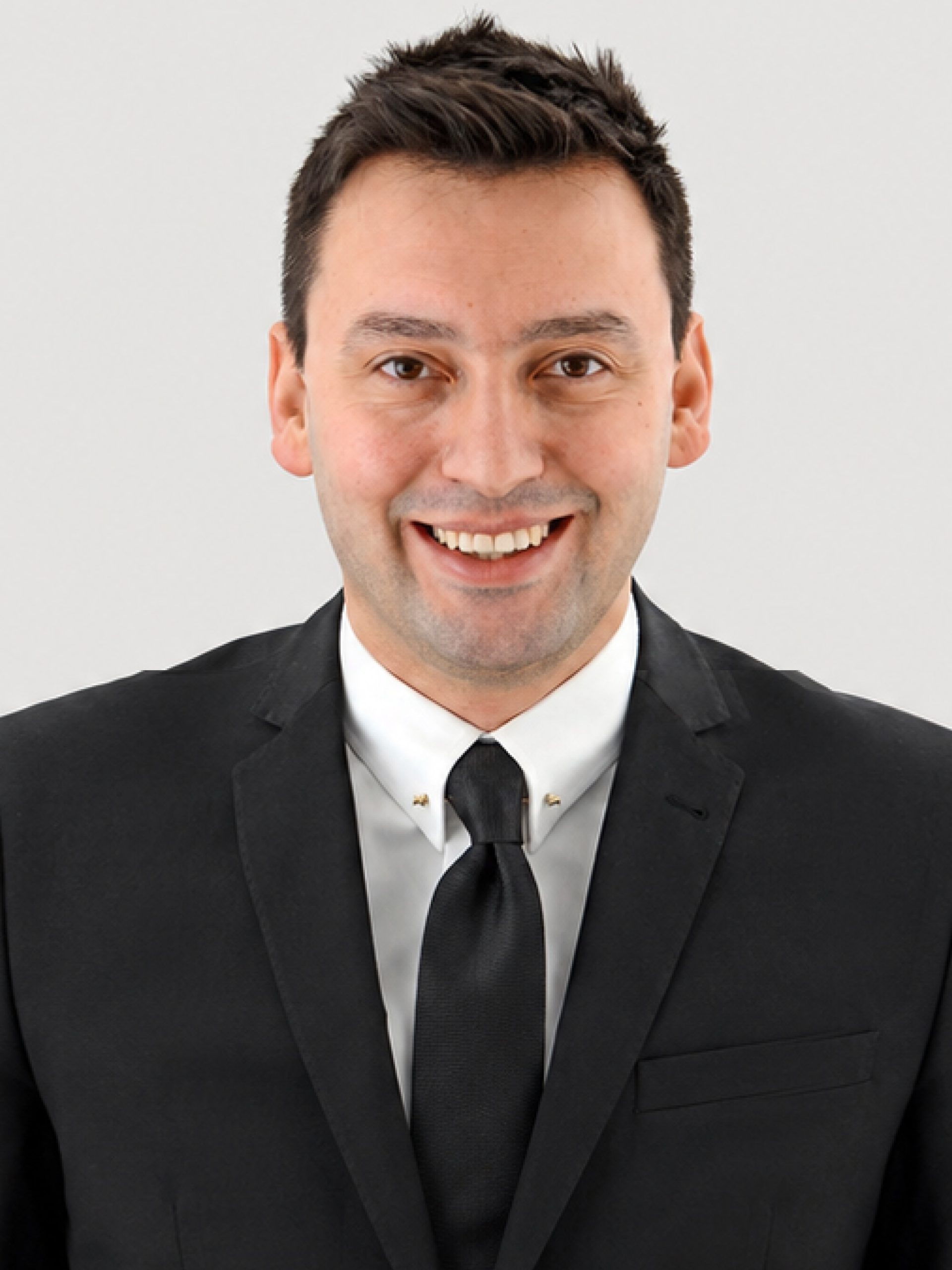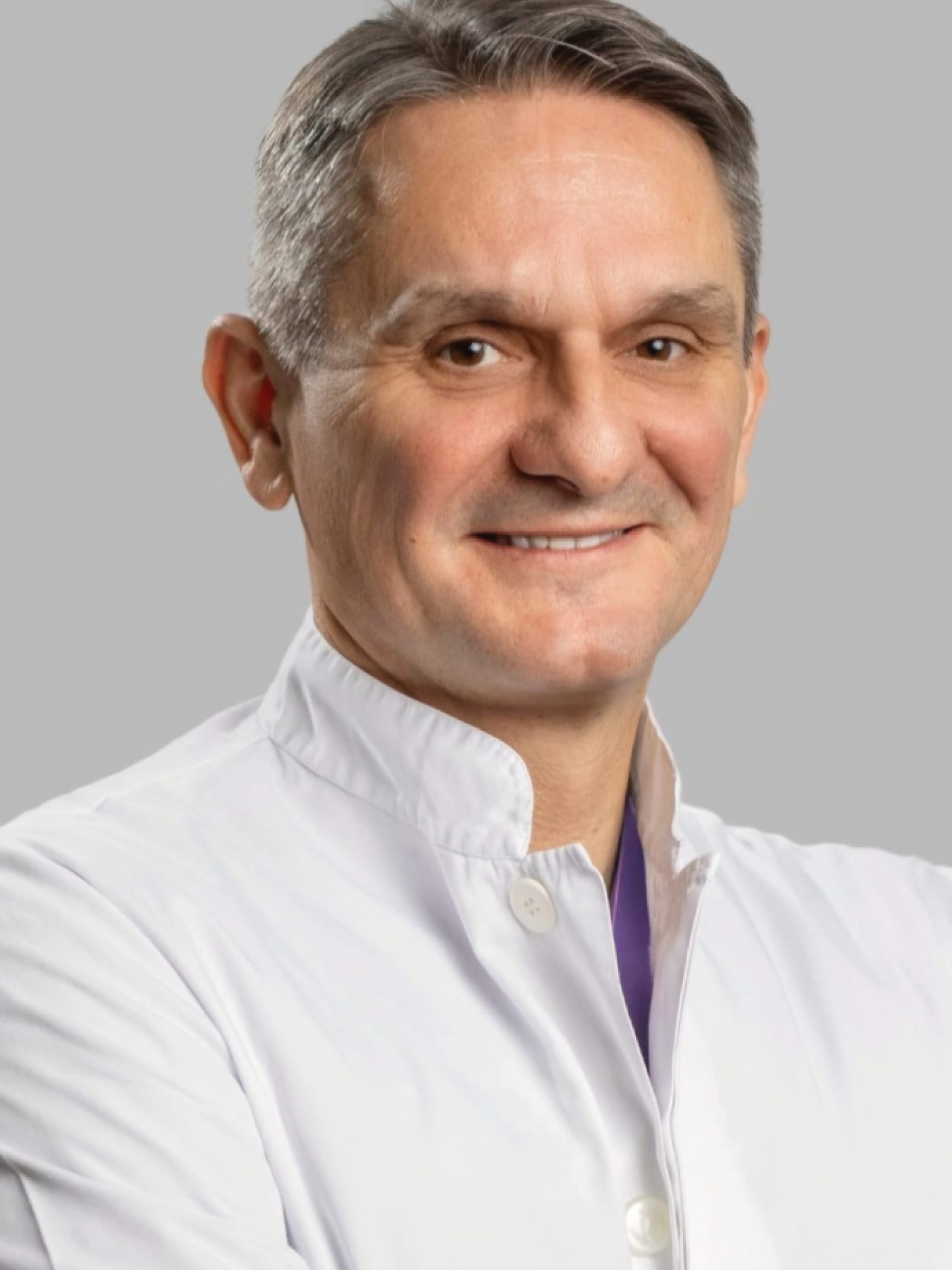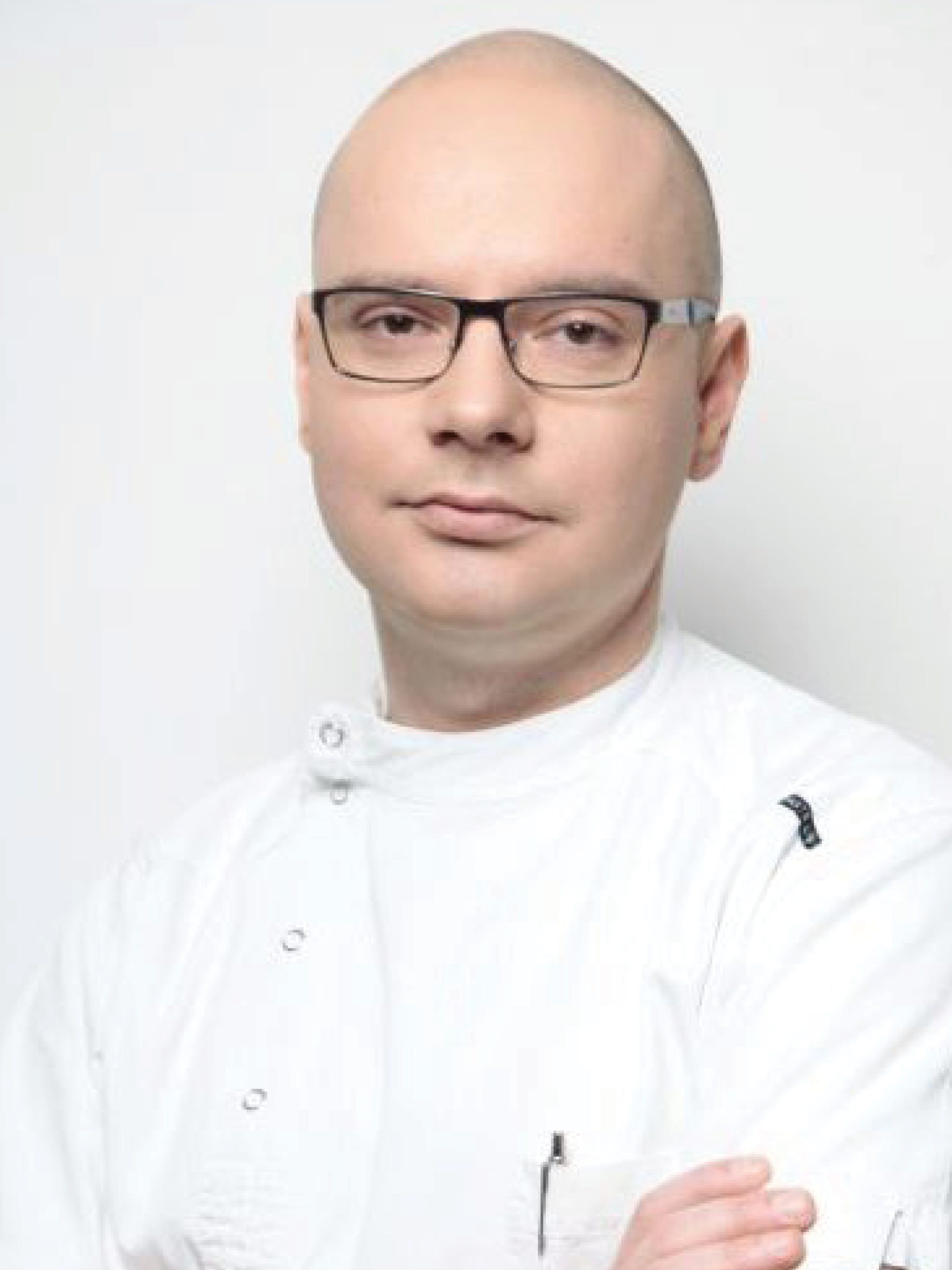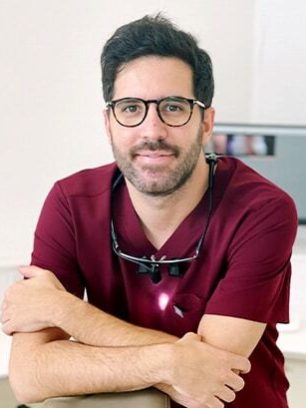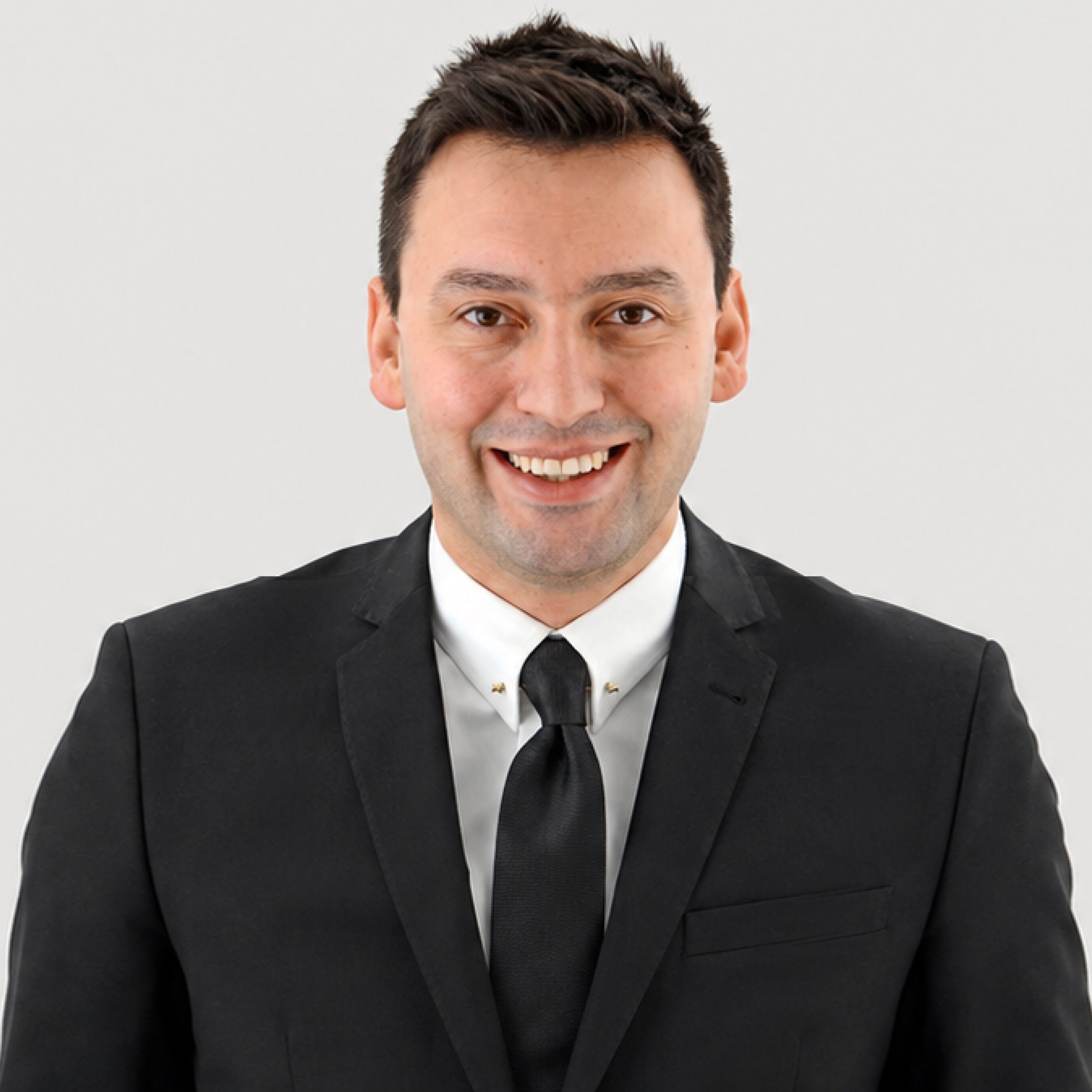
Serhat Aslan
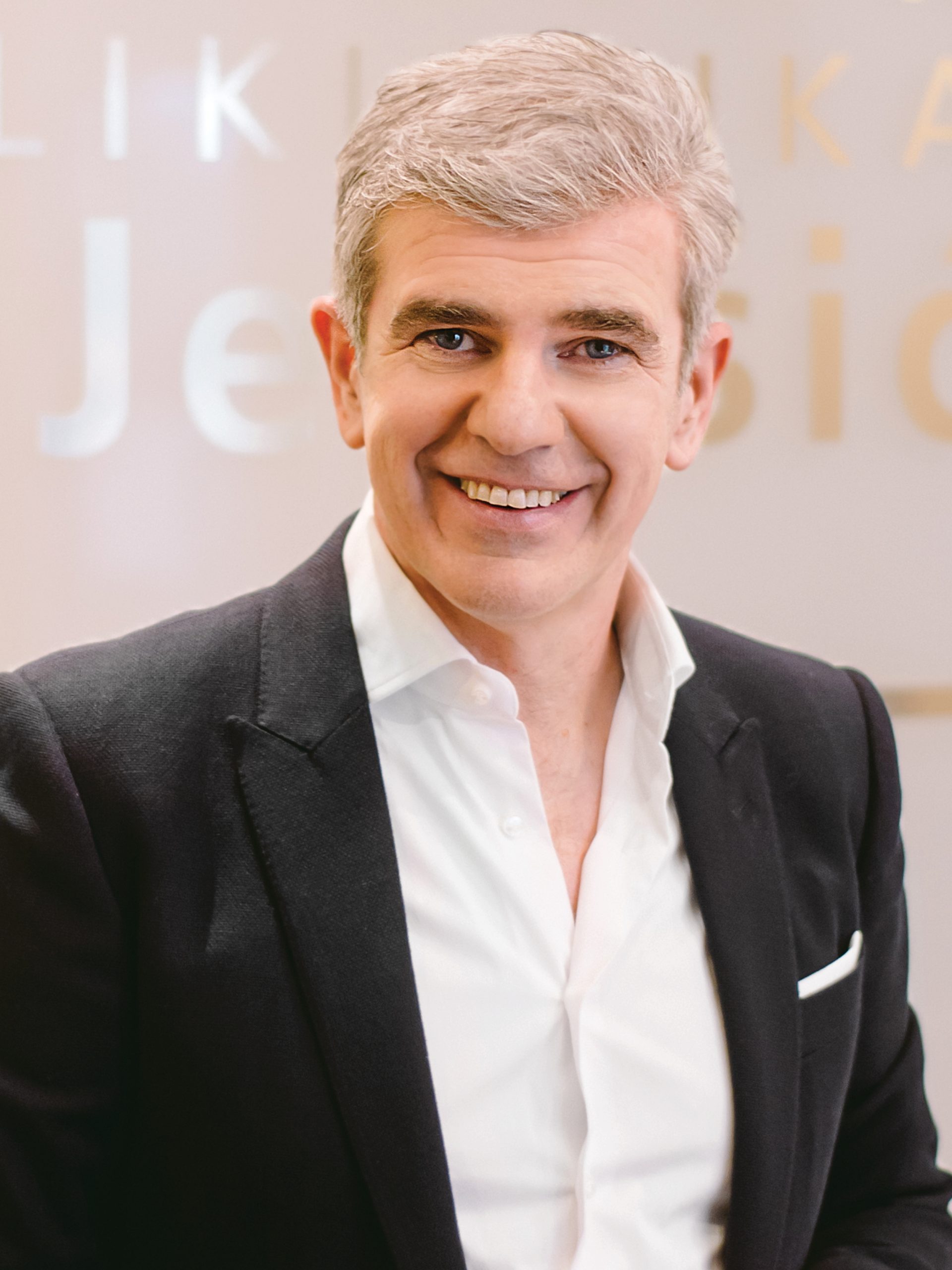
Prof. Serhat Aslan doktor je dentalne medicine i specijalist parodontologije koji se u privatnoj praksi bavi isključivo parodontologijom, implantologijom i fiksnom protetikom, s posebnim naglaskom na mikrokirurgiju te rekonstrukciju tvrdih i mekih tkiva.
O predavaču
Prof. Serhat Aslan diplomirao je na Stomatološkom fakultetu Sveučilišta Ege, gdje je stekao titulu doktora dentalne medicine (DDS). Nakon toga završio je poslijediplomski studij parodontologije na Institutu zdravstvenih znanosti istog sveučilišta, gdje je i doktorirao iz područja parodontologije (PhD).
U svojoj privatnoj praksi bavi se isključivo parodontologijom, fiksnom protetikom i implantologijom, s posebnim naglaskom na mikrokirurgiju, rekonstrukciju tvrdih i mekih tkiva te minimalno invazivne kirurške zahvate.
Prof. Aslan je gostujući profesor na Odjelu za biomedicinske, kirurške i dentalne znanosti Sveučilišta u Milanu (Italija) te na Odjelu za oralno zdravlje, parodontologiju i oralnu mikrobiologiju Sveučilišta KU Leuven u Belgiji. Također je pozvani profesor na poslijediplomskom studiju parodontologije i implantologije Sveučilišta u Portu (Portugal).
Trenutno je član izvršnog odbora i glavni tajnik Turskog društva za parodontologiju. Također je član i delegat Europske federacije za parodontologiju, član Talijanskog društva za parodontologiju i implantologiju, Turske akademije estetske dentalne medicine te počasni član Hrvatske akademije estetske dentalne medicine.
Prof. Aslan intenzivno sudjeluje u kliničkim istraživanjima i razvoju na jednom i više centara u području parodontologije, s posebnim naglaskom na plastičnu parodontnu kirurgiju, vođenu regeneraciju kosti i tkiva te estetsku implantološku terapiju.
Više informacija na: https://www.drserhataslan.com/en
Predavanje na engleskom jeziku
Predavanje
The art of hard and soft tissue management in periodontal and peri-implant tissue reconstruction
Recent developments in periodontal and peri-implant reconstruction have introduced a new era of minimally invasive, patient-centered surgical approaches. Tooth-retention procedures involving regenerative periodontal surgery have been extensively documented over the last two decades, and innovative flap designs have contributed to improved clinical outcomes with reduced patient morbidity.
Nevertheless, certain clinical conditions still require tooth extraction, and implant therapy remains one of the most predictable alternatives for tooth replacement. When natural dentition and dental implants coexist, treatment planning and surgical execution become more complex due to anatomical, biological, and vascular differences between teeth and implants.
Blood supply, soft tissue handling, flap thickness, flap design, passive adaptation, and tension control are essential determinants of surgical success, particularly in guided bone regeneration and peri-implant tissue reconstruction. Even when these critical factors are carefully controlled, hard and soft tissue deficiencies resulting from previous therapies, anatomical limitations, or disease-related tissue loss may create significant clinical challenges.
This lecture will highlight contemporary surgical concepts and clinical strategies for managing hard and soft tissues around teeth and implants, with particular emphasis on biologically driven decision-making, minimally invasive flap design, wound stability, and the pursuit of predictable reconstructive outcomes.
Workshop
Tension-free primary wound closure with modified periosteal releasing technique
Advances in microsurgical concepts, biomaterials, and regenerative procedures have expanded the possibilities for reconstructing deficient periodontal and peri-implant tissues. However, despite these technical developments, the fundamental principles of biology remain unchanged.
Blood supply, atraumatic soft tissue handling, flap thickness, flap design, passive flap advancement, and tension-free primary wound closure are critical factors for achieving predictable surgical outcomes. Among these, flap release and wound closure are particularly important in regenerative and augmentation procedures, where tissue stability and vascular preservation directly influence healing.
This hands-on workshop will focus on the clinical principles and technical execution of a modified periosteal releasing technique for achieving passive flap advancement and tension-free primary wound closure. Participants will review the differences between full-thickness and split-thickness flap preparation, learn key hand movements for controlled tissue reflection and release, and practice suturing strategies designed to stabilize the wound while minimizing surgical trauma.
Objectives:
– Understand the characteristics and clinical indications of full-thickness and split-thickness flaps.
– Perform controlled flap reflection and periosteal release with improved hand movement and tissue awareness.
– Recognize excessive tissue release and apply strategies to minimize trauma.
– Stabilize the wound using simple and advanced suturing techniques.